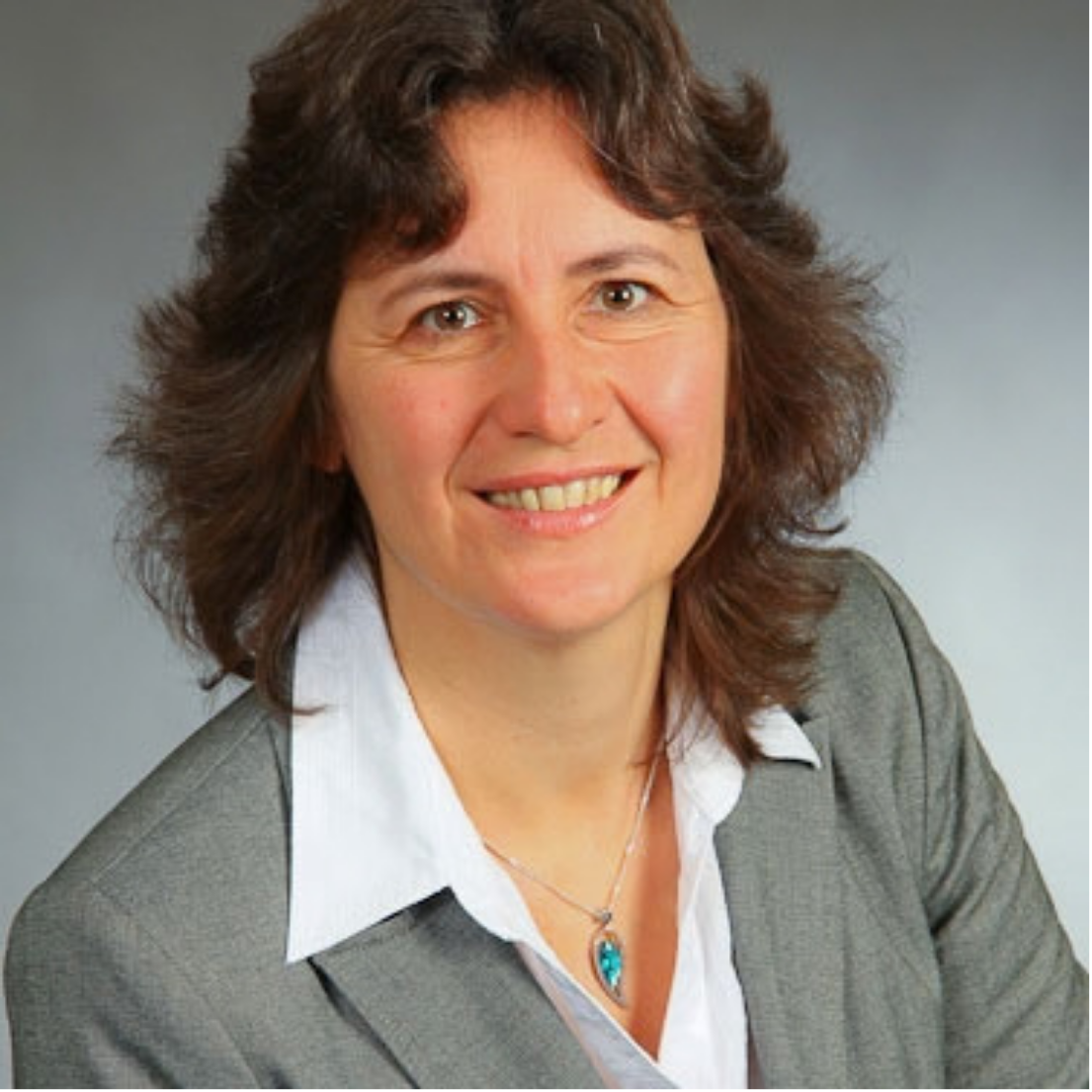
By Marianne Rauter
EATA Executive Secretary
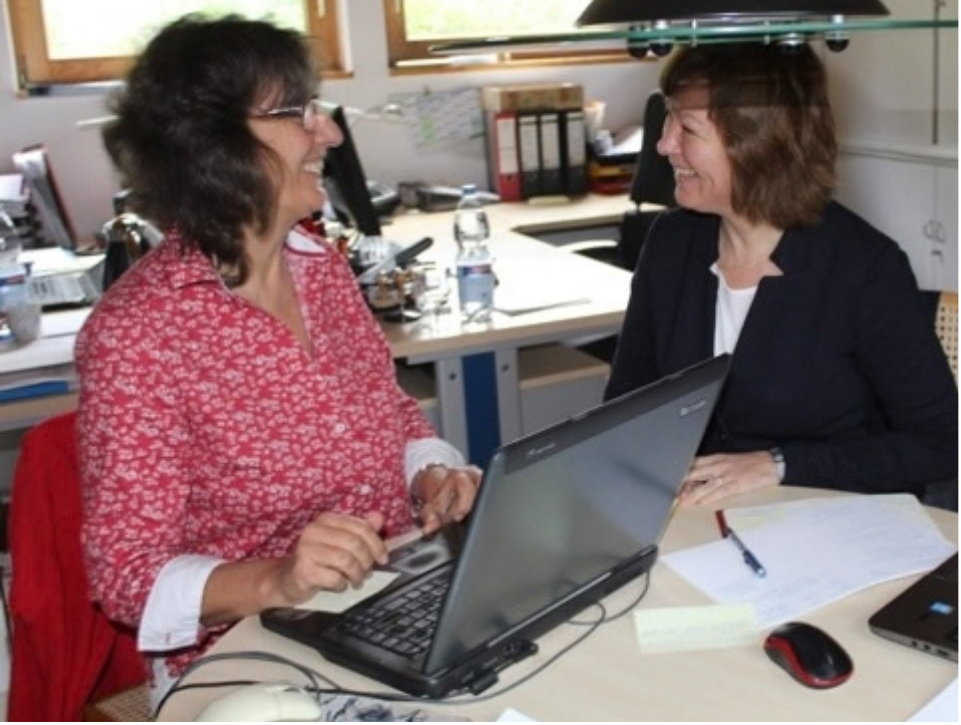
When Jan Hennig asked me whether I would like to take over the EATA office, I had already been Executive Director of the German Transactional Analysis Association for several years and was therefore familiar with the structures of training in Transactional Analysis.
I was happy to accept the challenge and one day set off in my red VW Passat for Aix-en-Provence, where the long-serving Executive Secretary, Martine Huon, would introduce me to the role and hand over the files.
At the beginning, I shared the position with Charlie King, Executive Secretary of the English association, as I was not entirely confident in my language skills. However, after Charlie decided to pursue other activities a short time later, I took over the role completely.
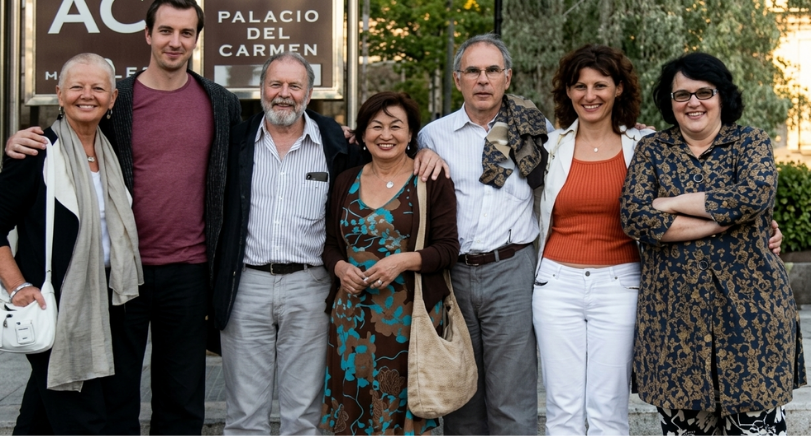
My first trip to a Council Meeting took me to Timișoara, Romania, in 2004. From the very beginning, I was fascinated by the collaboration between 30 delegates from 23 countries. In 2026, 30 delegates and around 10 to 15 officers will meet in Prague for the Council Meeting.
What impressed me from the start was how people from all over Europe worked together on a common goal: making Transactional Analysis better known and ensuring that training as a Transactional Analyst was comparable across international borders.
I particularly enjoyed the different temperaments and found it especially reassuring that, apart from the delegates from the UK, none of us were native English speakers. Everyone communicated cheerfully according to their own language abilities, and somehow we always managed to understand one another, although the British occasionally had to be asked to please speak a little more slowly 😉
At the beginning, EATA’s membership consisted mainly of Western European associations, but over time it expanded eastwards to include countries such as Armenia, Kazakhstan and Kyrgyzstan.
During my time with EATA, membership increased from 6,385 in 2003 to 8,945 in 2025. The fields of application of Transactional Analysis have also expanded. Alongside the clinical field, TA is now widely used in counselling, organisations and education.
EATA has been through both good times and challenging times. A major turning point was the pandemic in 2020, which also changed the way EATA works. Increasingly, meetings shifted from in-person gatherings to online formats. This made the work faster and more varied, which certainly reflects the spirit of our times. Today, there is a growing focus on structure and well-defined processes, making EATA’s work more transparent and efficient.
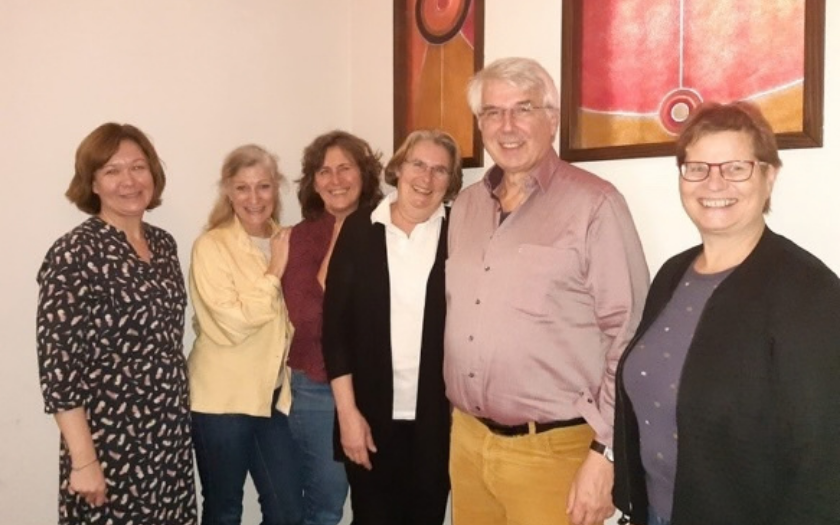
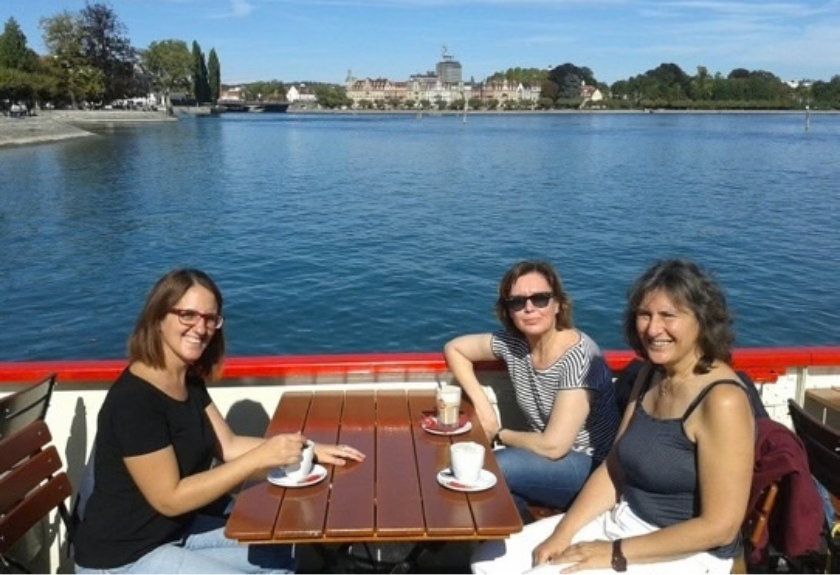
This is my final year as Executive Secretary of EATA, as I will retire at the end of the year. I am deeply grateful for all the trust and friendship that have been shown to me, and for all the work and joy shared in so many different places across Europe.
I wish EATA continued success and many new members in the years to come.