What began as a conversation over breakfast during a working weekend in December 2025 grew into an ambitious community project.
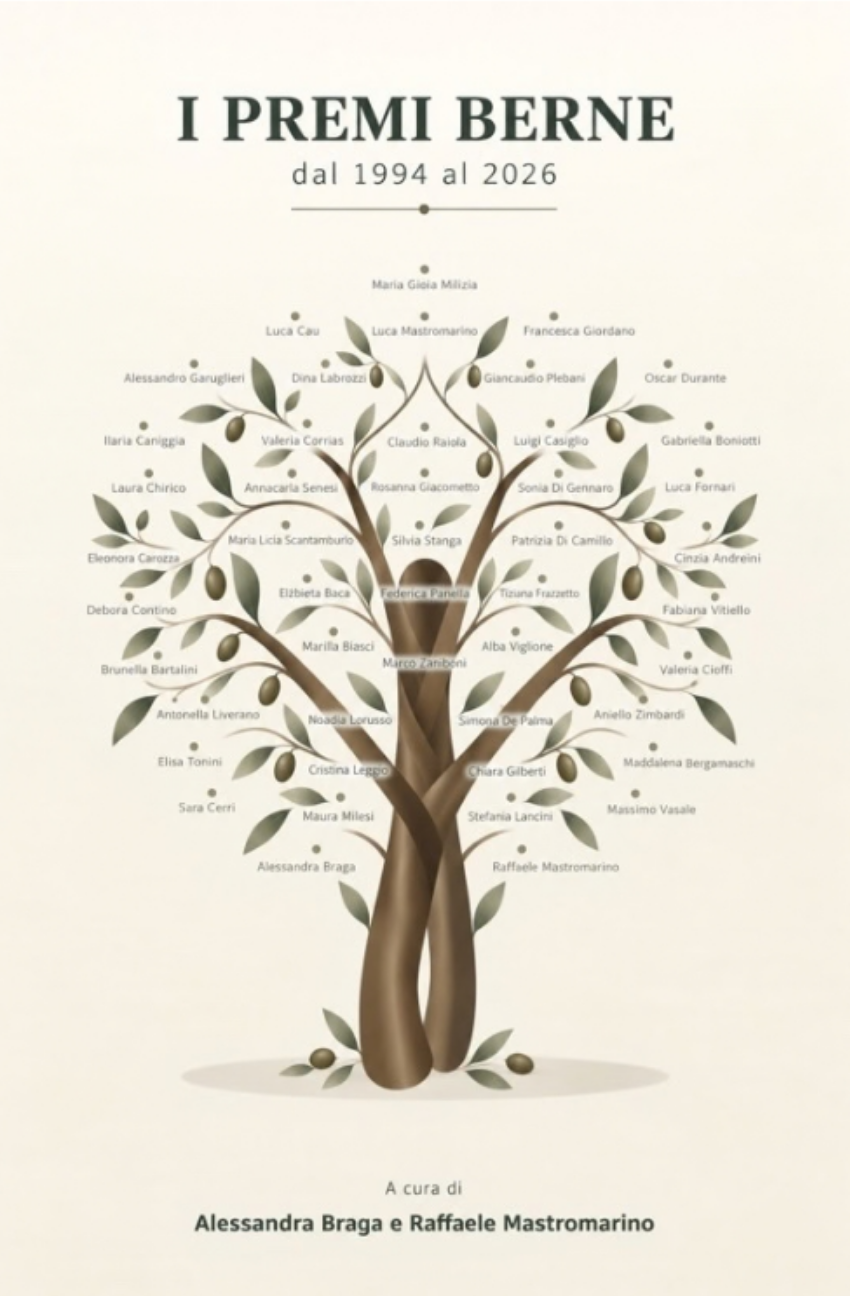
Inspired by the desire to make the most influential contributions to Transactional Analysis more accessible to the Italian TA community, a group of colleagues set out to create a new volume dedicated to the winners of the Eric Berne Memorial Award.
The original plan was to translate the award-winning articles published in the Transactional Analysis Journal.
However, the complexity of permissions, costs and administrative procedures made this approach unfeasible.
Instead, the team chose another path. Following an earlier example developed by Susanna Bianchini and Pio Scilligo, they invited colleagues across the Italian TA community to “adopt a Berne Award” and create original reworkings that faithfully capture the theoretical and clinical contributions of the prize-winning papers.
The response was overwhelming. Forty-five Transactional Analysts, including PTSTAs, CTAs and TSTAs from six Italian associations, joined the initiative.
The result is “I Premi Berne 1994-2026”, a collaborative volume bringing together the legacy of more than three decades of Eric Berne Memorial Award-winning work. More than a publication, it is a community effort: a resource created by the TA community for the TA community.
All proceeds from the project will be used to support the future English translation of the volume and to fund the training or projects of those in need, in agreement with EATA.
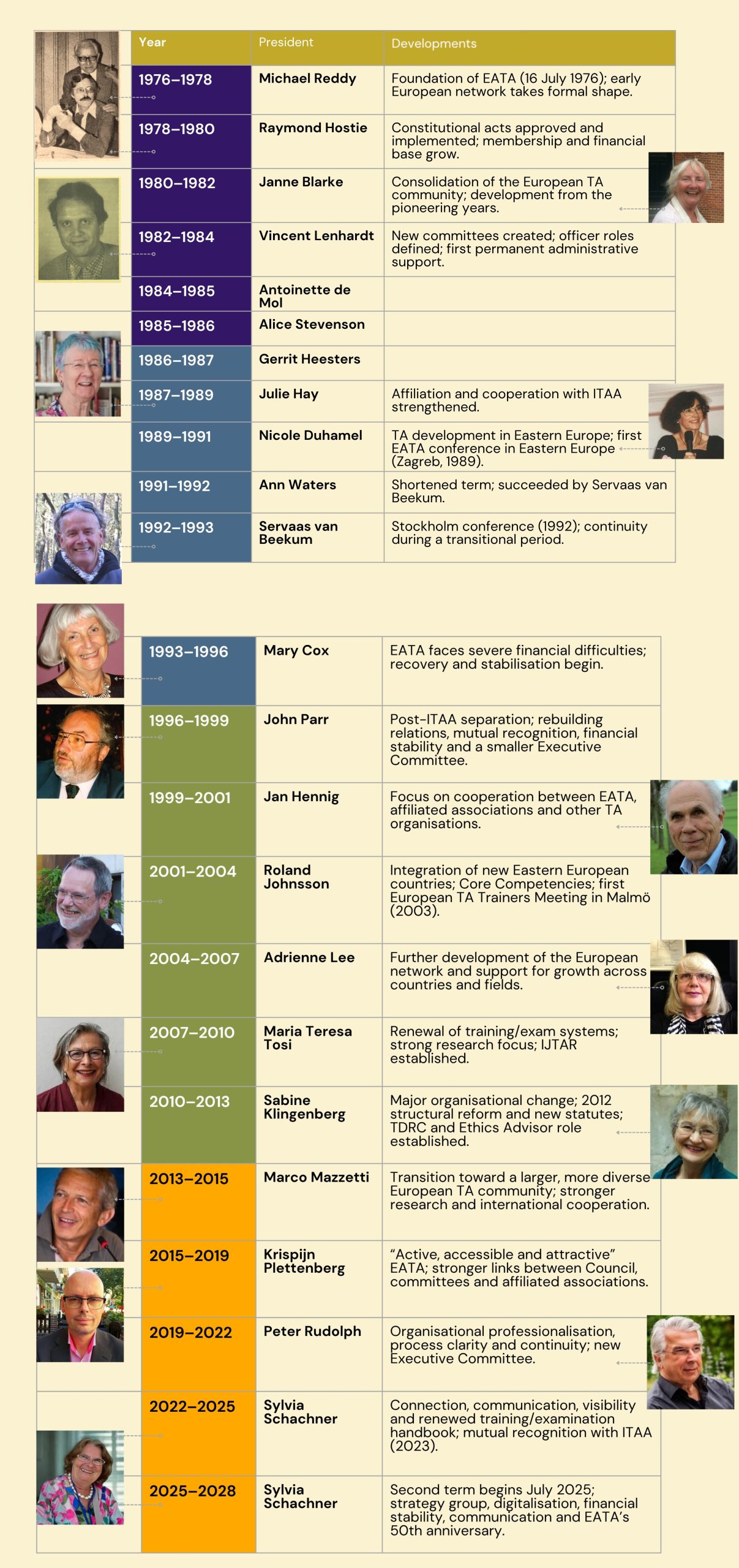
The timeline of EATA Presidents included in this special edition has been compiled from historical information available on the EATA website. It highlights some of the key developments that took place during each presidency and offers a brief overview of EATA’s evolution over the past fifty years.
As with the personal recollections featured throughout this publication, the timeline is not intended to be a comprehensive historical account. Some periods are documented in greater detail than others, reflecting the information available to us today.
Behind every presidency stand many dedicated volunteers, officers, committee members, delegates, trainers, examiners, and members whose collective efforts have shaped EATA across generations.
We hope this timeline provides useful context while honouring the many people who have contributed to the growth and development of our association.
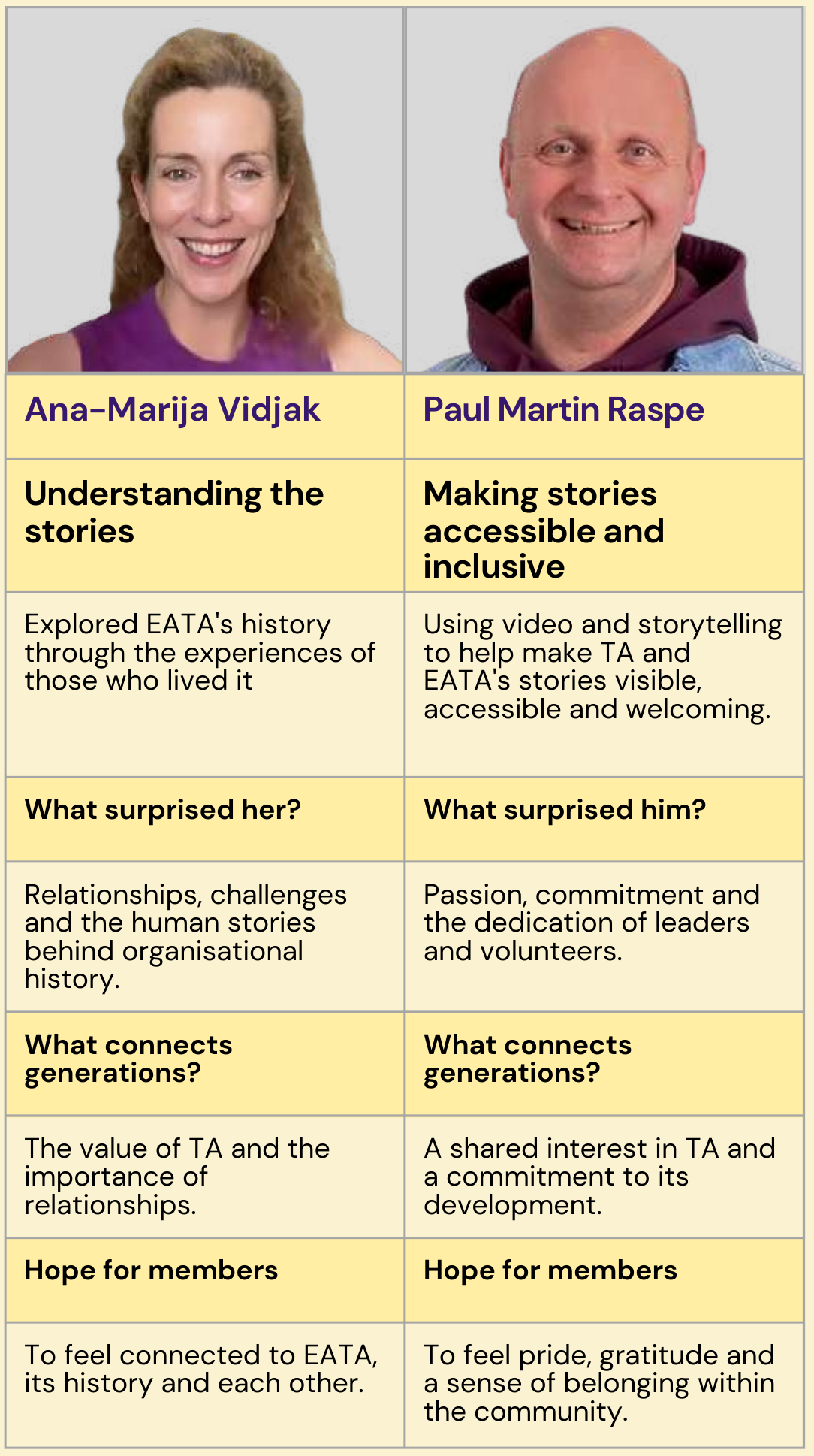
Behind EATA’s 50th Anniversary Project are two contributors who approached the journey from different starting points, yet discovered many of the same values along the way.
Through video interviews with former presidents, both explored what has connected EATA members across five decades: commitment, relationships, community and a shared belief in the value of Transactional Analysis.
Common threads
♡ Passion for Transactional Analysis ♡ Commitment to EATA ♡ Appreciation for Volunteers ♡ Learning across Generations ♡ Building Community ♡ Belonging and Inclusion
Editor’s introduction
Although their perspectives differ, both contributors arrived at a similar insight: EATA’s history is ultimately a story about people. Not only about structures, conferences, examinations and professional standards.
It’s about relationships.
About volunteer effort.
About shared learning.
About belonging.
The following reflections bring together their experiences of working on the anniversary project and what they discovered while listening to the voices that helped shape EATA over the past fifty years.
Listening to the Past, Connecting the Community. Fifty years of people, passion, and the shared journey that continues to shape our community.
Behind the Anniversary Project
For Ana-Marija, the project began with curiosity.
“A 50th anniversary should be more than a celebration of a number.”
Rather than simply marking a milestone, she saw an opportunity to understand how EATA had evolved through the decades. She wanted to look beyond official records and organisational milestones and explore how members experienced their times within EATA.
Looking back, she became increasingly fascinated by the changing realities of the TA community: the concerns people had, the challenges they faced, and how EATA responded to those circumstances.
The interviews with former Presidents became a gateway into that history.
“The interviews seemed like a wonderful way of getting beyond the official history and hearing directly from the people who had experienced those different periods.”
For Paul Martin, the anniversary project brought together two important parts of his professional life: his work within EATA and his earlier career in television production.
“This project brings together my current work in TA and for EATA with my previous career as a TV producer.”
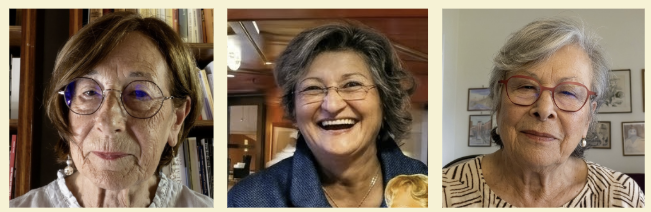
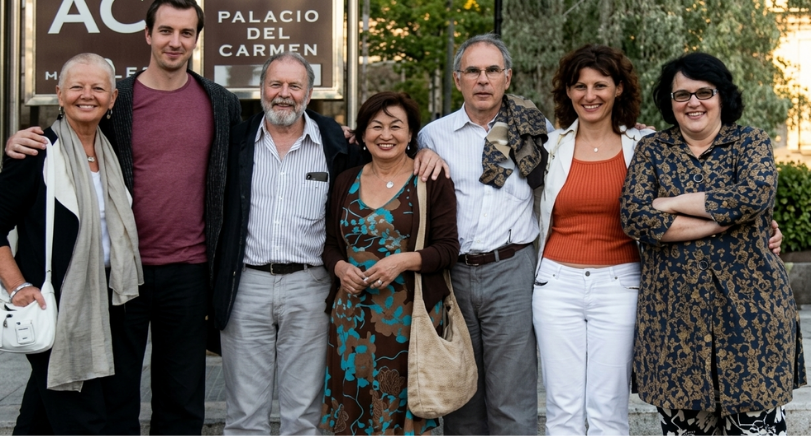
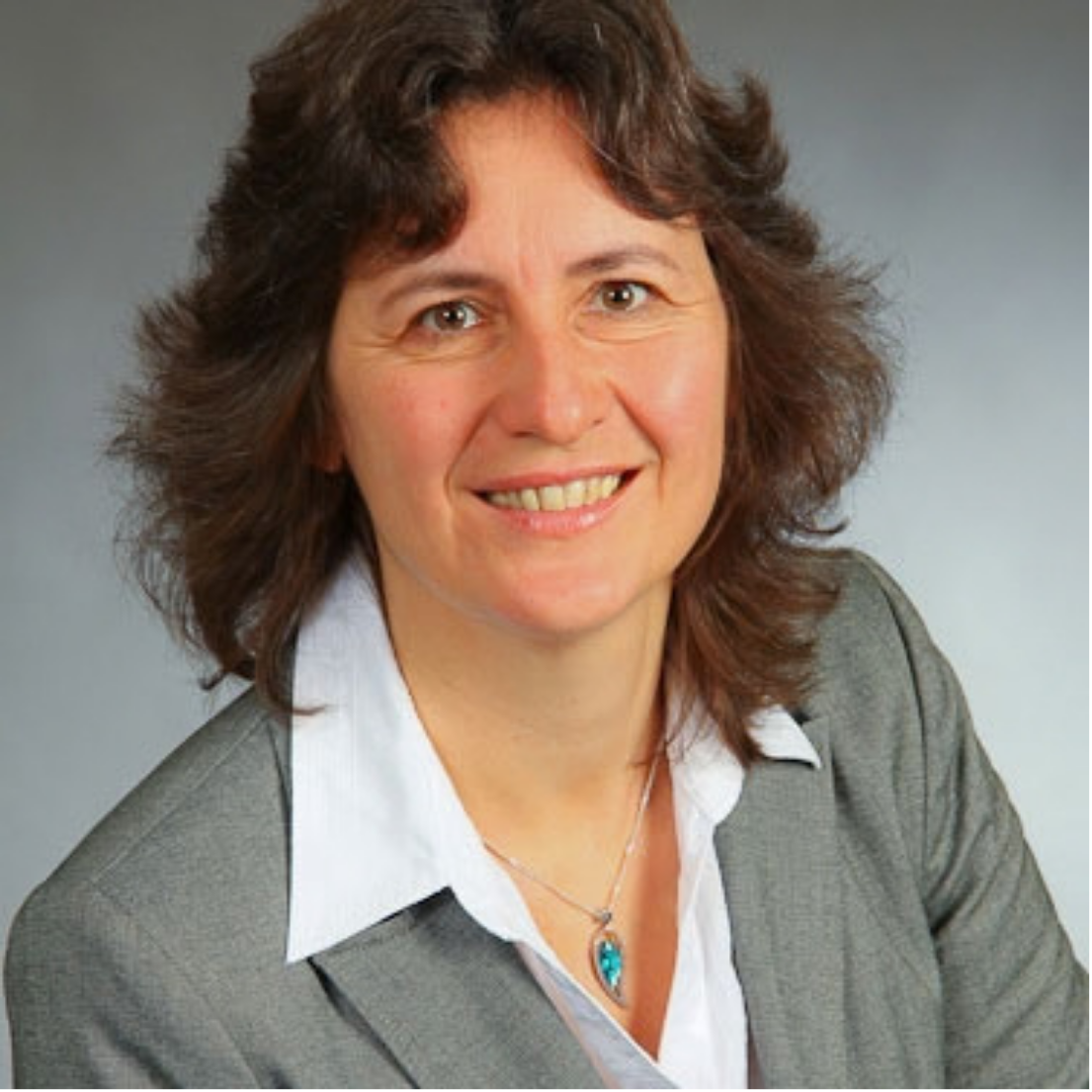
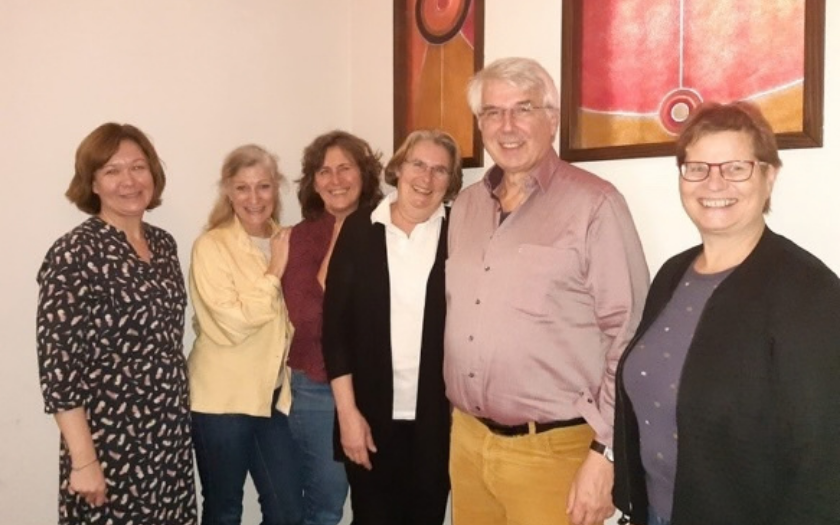
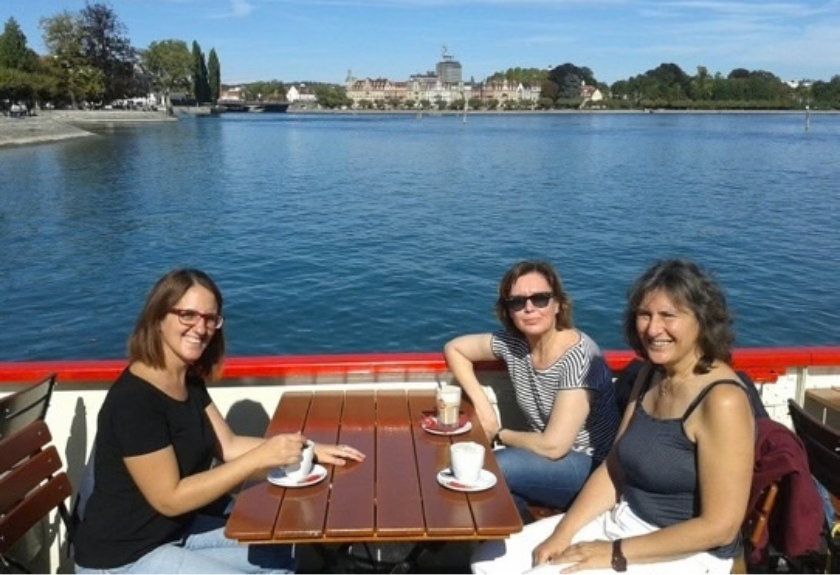
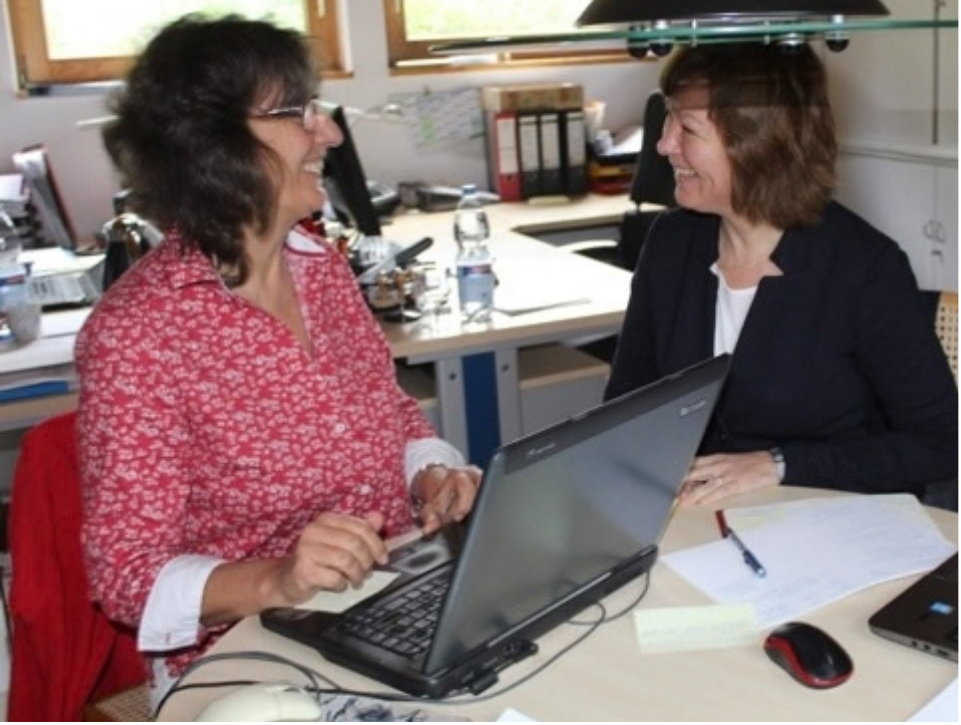
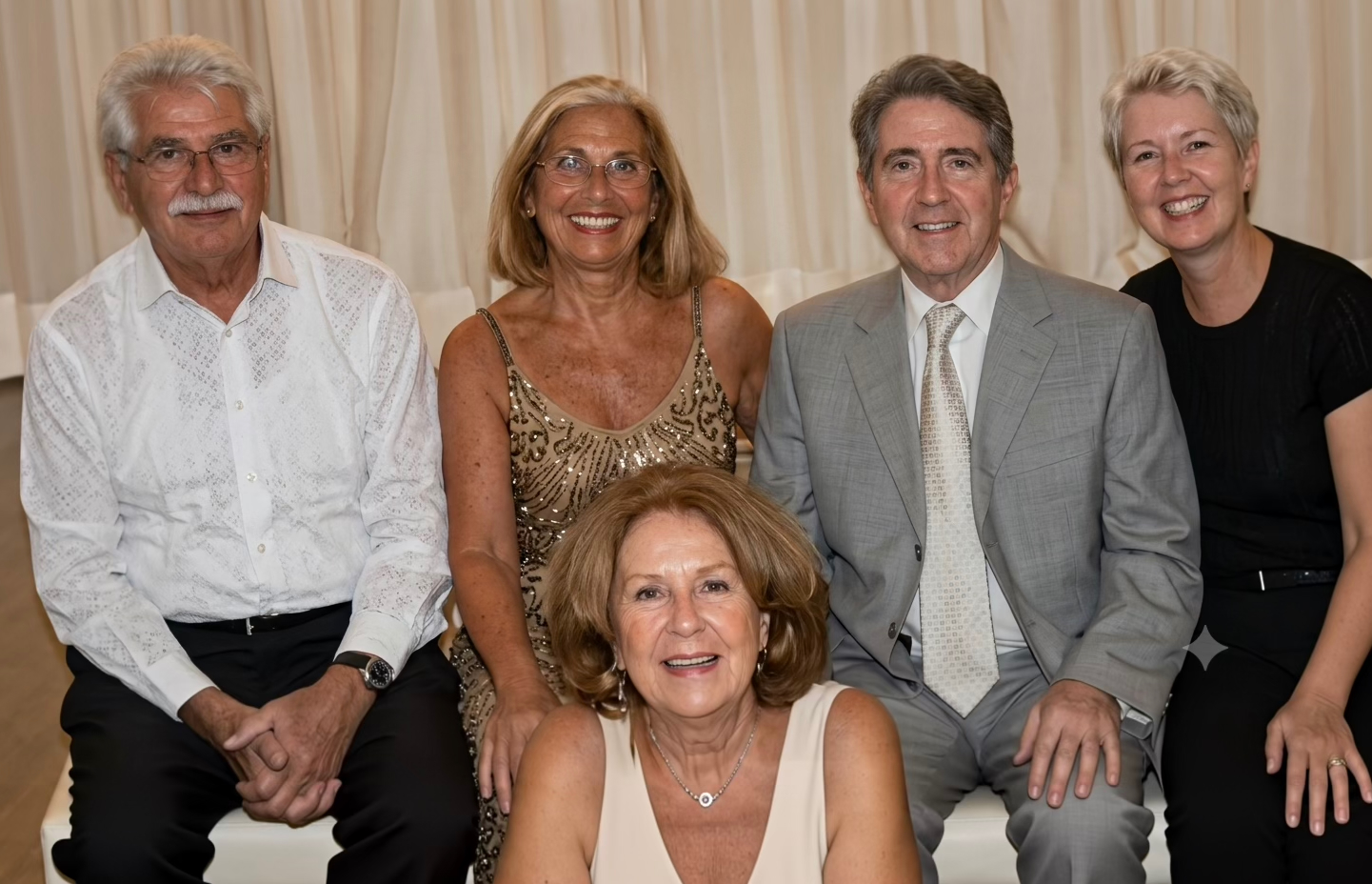
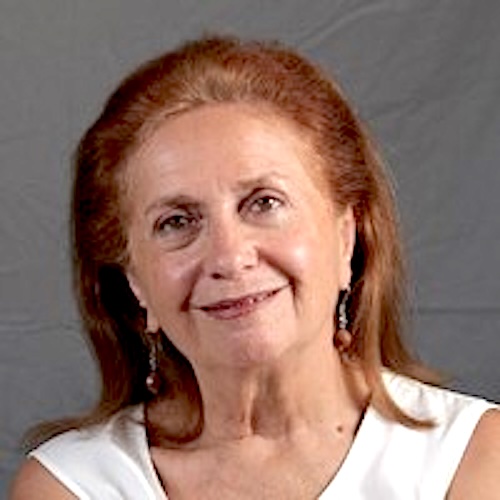
These are three out of nine interviewed presidents which will be present in the video that is coming out soon: Nicole Duhamel, Sabine Blumenstein and Maria Teresa Tosi
The people behind the history
When asked what surprised them most during the project, neither spoke first about structures, policies or strategic decisions. Instead, both returned to people. Ana-Marija expected to hear about important developments and decisions in EATA’s history. What stayed with her, however, were the stories behind those developments.
“What surprised me most was how personal many of the stories were.”
She speaks about relationships, enthusiasm, challenges and unexpected events. Again and again she was reminded that organisations may have structures, but they are ultimately shaped by human beings.
“Organisations, although structures matter, are ultimately made by people.”
Paul Martin noticed something similar from another angle.
Listening to former Presidents, he was struck by the different ways in which each person carried leadership during their particular period in EATA’s history.
“Each of the former presidents approached EATA’s development and challenges in their own unique way and with their own enthusiasm.”
Different personalities. Different circumstances. Different styles.
Yet beneath those differences, he saw a shared commitment to Transactional Analysis and to EATA itself.
Discovering EATA’s story
Both contributors describe the project as a learning journey. Ana-Marija speaks of discovering countless small pieces of history she had never encountered before. More importantly, she developed a much deeper appreciation of how today’s EATA emerged through the effort, vision and commitment of many generations.
“Hearing those different perspectives together gave me a much richer picture of EATA’s history than I had before.”
Paul Martin’s discovery was linked to the breadth of the organisation itself.
“How broadly European in its outlook EATA has been from the very beginning.”
At the same time, he found himself increasingly aware of the enormous contribution made by volunteers over the years.
The moments that stayed
For Ana-Marija, those moments were often unexpected. She was fascinated by stories in which seemingly small coincidences changed the course of events.
“Sometimes things happen that we could never have anticipated and can turn out for the good.”
Equally powerful was the honesty with which former Presidents reflected on their experiences.
“There is something very humbling in hearing people who have held such significant roles look back with that kind of honesty and acceptance.”
Paul Martin remembers another recurring theme.
“The appreciation expressed for the enormous amount of work done by all the volunteers and the responsibilities they carry.”
What connects generations?
Across fifty years, EATA has changed. Contexts changed. Countries changed. Structures changed. Yet both contributors identify a remarkable continuity.
For Ana-Marija, the strongest connecting thread is the belief in the value of Transactional Analysis and the importance of relationships.
“There is a remarkable continuity in people’s wish to learn, to contribute, to connect with others and to develop the TA community.”
Paul Martin recognises much the same dynamic.
“Clearly, their common interest in TA, and in many cases, their love for TA and its continued development.”
Belonging
Perhaps the most striking overlap emerges when both are asked what they hope members will experience when they encounter the anniversary stories.
Neither speaks first about knowledge. Neither speaks first about history. Both speak about belonging.
Ana-Marija hopes members feel connected.
“Connected to EATA, to its history and to each other.”
Paul Martin reaches a remarkably similar conclusion.
“A sense of belonging to this community, a sense of feeling at home in this community.”
Final reflections
Looking back on the project, both contributors describe a growing appreciation for the many people who have shaped EATA over the years. Together, their reflections remind us that EATA’s history is not only a story of milestones and organisational development.
It is a story of people.
People who contributed. People who volunteered. People who led. People who connected. And above all, people who helped create a community in which others could find a place to belong.
EATA at 50
“I hope people feel connected to EATA, to its history and to each other.” Ana-Marija
“I hope members feel pride, gratitude and a sense of belonging to this community.” Paul Martin
A story still being written.
For fifty years EATA has been shaped by people willing to contribute, learn, connect and lead.
Its future will be shaped by the next generation doing the same.
I started my role as a Croatian delegate in EATA in 2013 and remained a delegate until 2021. On the first day of my role, I came to the Council Meeting in Oslo and didn’t know anyone there. I was a little bit frightened and very curious about what would happen there. Leilani Mitchell was Chair of the Communication Committee at that time, and she was always joking and bringing cookies to the meetings.
I was drawn to this atmosphere where work and fun mixed together. I joined this committee and stayed there for eight years, chairing it for six of those years.
There was a lot of work to do, but it was done with so much respect and fun, and there were so many joyful moments. We travelled through Europe from one Council Meeting to another, developing different projects, meeting regularly online and becoming friends.
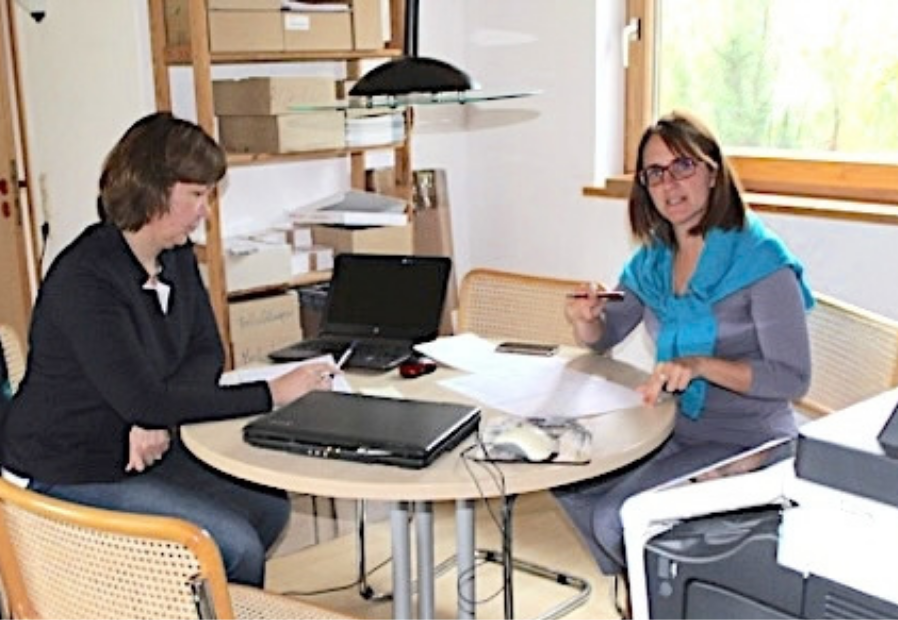
My warmest memory from those times is the three days I spent in Konstanz in the office of our dear Executive Secretary, Marianne Rauter. Annamaria Cser, who was General Secretary at that time, and I came to Marianne to create a structure for keeping EATA documents. It was so nice to come to this charming town and to work in what I felt was the heart of EATA.
I feel that during the period of my delegation I grew up. I went through my divorce, I started my new marriage, I gave birth to my youngest daughter, I completed my CTA and changed the course of my career. And people from EATA were part of this process I was going through. I felt supported. I had a strong sense of belonging to this community and felt accepted. I entered EATA not knowing anyone, but finished my delegate term with so many friends and feeling connected to the whole association.
Now I am in the position of Language Coordinator for the Croatian and Serbian languages and am happy to stay connected to EATA through this role.
I can remember the emotion I felt when, as the new President of EATA in 2004, I looked round the room of delegates at our first Council Meeting.
Over 30 European delegates gathered around one table, set aside language barriers, and passionately worked to build a stronger EATA. Backed by great enthusiasm and funding, it was one of the proudest highlights of my career.
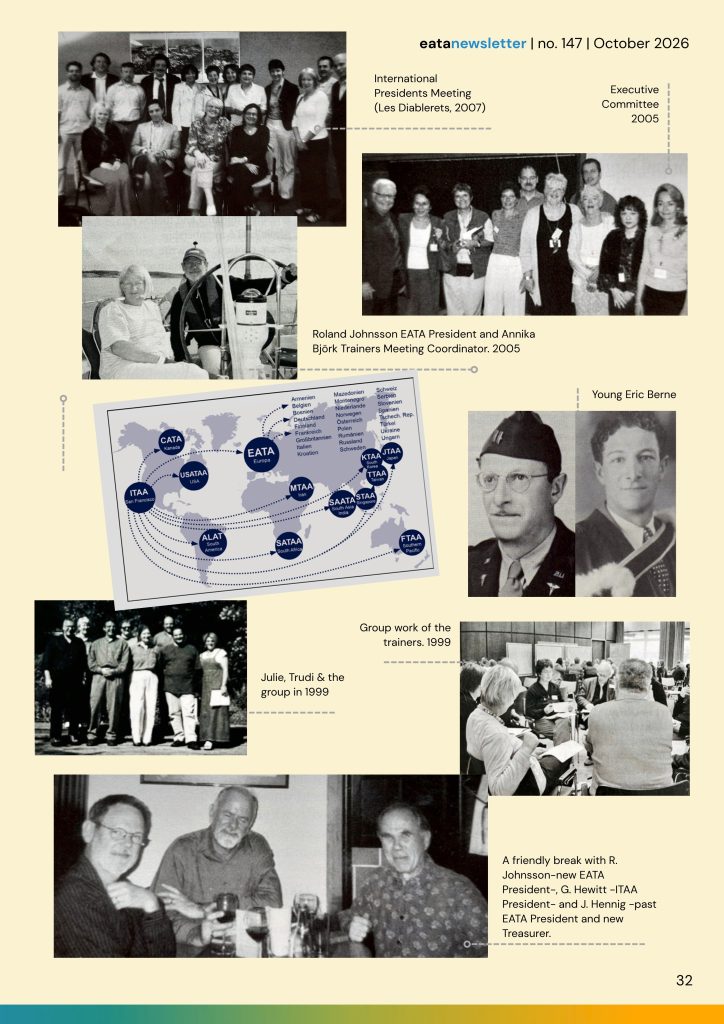
In those three years we launched a new Ethics Code and updated the Constitution, but I was most delighted to launch the Presidents’ Meeting, where the leaders of national TA associations could meet and share their experience and resources, and the OutReach programme, where we held our Executive meetings in countries that needed extra support to promote TA. The members of the Executive Committee not only had our own intensive meetings, we also ran workshops for a one-day conference at the venue.
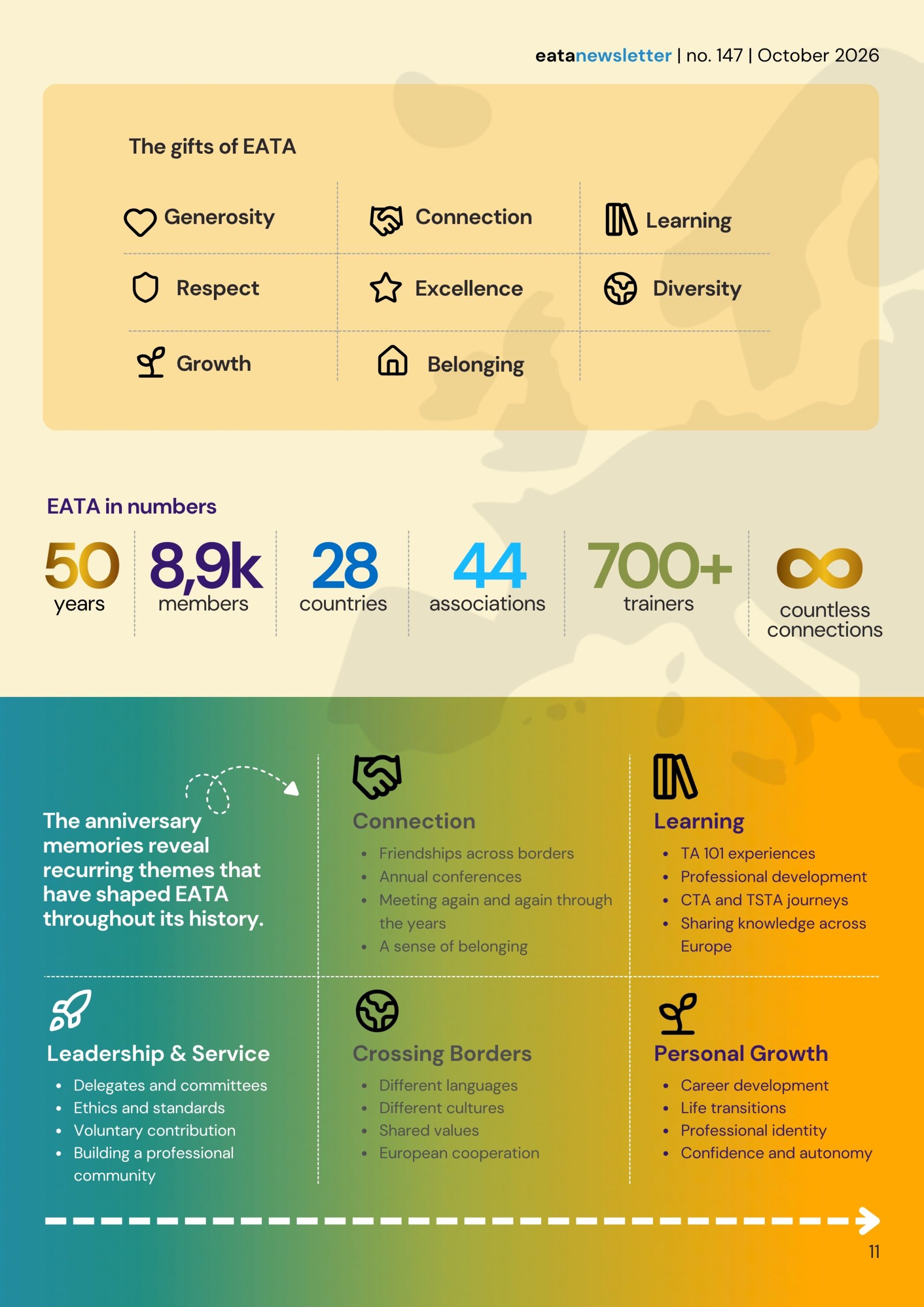
The gifts of EATA still are generosity, connection, standards of excellence and deep respect for all our differences. Our new Joint Mission Statement with ITAA now honours our interconnection and social and ecological responsibility. At last we have gone beyond Autonomy to Homonomy! I am proud to be a member of EATA and sincerely thank all the past Presidents, Chairs of Committees and Council Delegates for their loyalty, integrity and hard work.
When Jan Hennig asked me whether I would like to take over the EATA office, I had already been Executive Director of the German Transactional Analysis Association for several years and was therefore familiar with the structures of training in Transactional Analysis.
I was happy to accept the challenge and one day set off in my red VW Passat for Aix-en-Provence, where the long-serving Executive Secretary, Martine Huon, would introduce me to the role and hand over the files.
At the beginning, I shared the position with Charlie King, Executive Secretary of the English association, as I was not entirely confident in my language skills. However, after Charlie decided to pursue other activities a short time later, I took over the role completely.
My first trip to a Council Meeting took me to Timișoara, Romania, in 2004. From the very beginning, I was fascinated by the collaboration between 30 delegates from 23 countries. In 2026, 30 delegates and around 10 to 15 officers will meet in Prague for the Council Meeting.
What impressed me from the start was how people from all over Europe worked together on a common goal: making Transactional Analysis better known and ensuring that training as a Transactional Analyst was comparable across international borders.
I particularly enjoyed the different temperaments and found it especially reassuring that, apart from the delegates from the UK, none of us were native English speakers. Everyone communicated cheerfully according to their own language abilities, and somehow we always managed to understand one another, although the British occasionally had to be asked to please speak a little more slowly 😉
At the beginning, EATA’s membership consisted mainly of Western European associations, but over time it expanded eastwards to include countries such as Armenia, Kazakhstan and Kyrgyzstan.
During my time with EATA, membership increased from 6,385 in 2003 to 8,945 in 2025. The fields of application of Transactional Analysis have also expanded. Alongside the clinical field, TA is now widely used in counselling, organisations and education.
EATA has been through both good times and challenging times. A major turning point was the pandemic in 2020, which also changed the way EATA works. Increasingly, meetings shifted from in-person gatherings to online formats. This made the work faster and more varied, which certainly reflects the spirit of our times. Today, there is a growing focus on structure and well-defined processes, making EATA’s work more transparent and efficient.
This is my final year as Executive Secretary of EATA, as I will retire at the end of the year. I am deeply grateful for all the trust and friendship that have been shown to me, and for all the work and joy shared in so many different places across Europe.
I wish EATA continued success and many new members in the years to come.
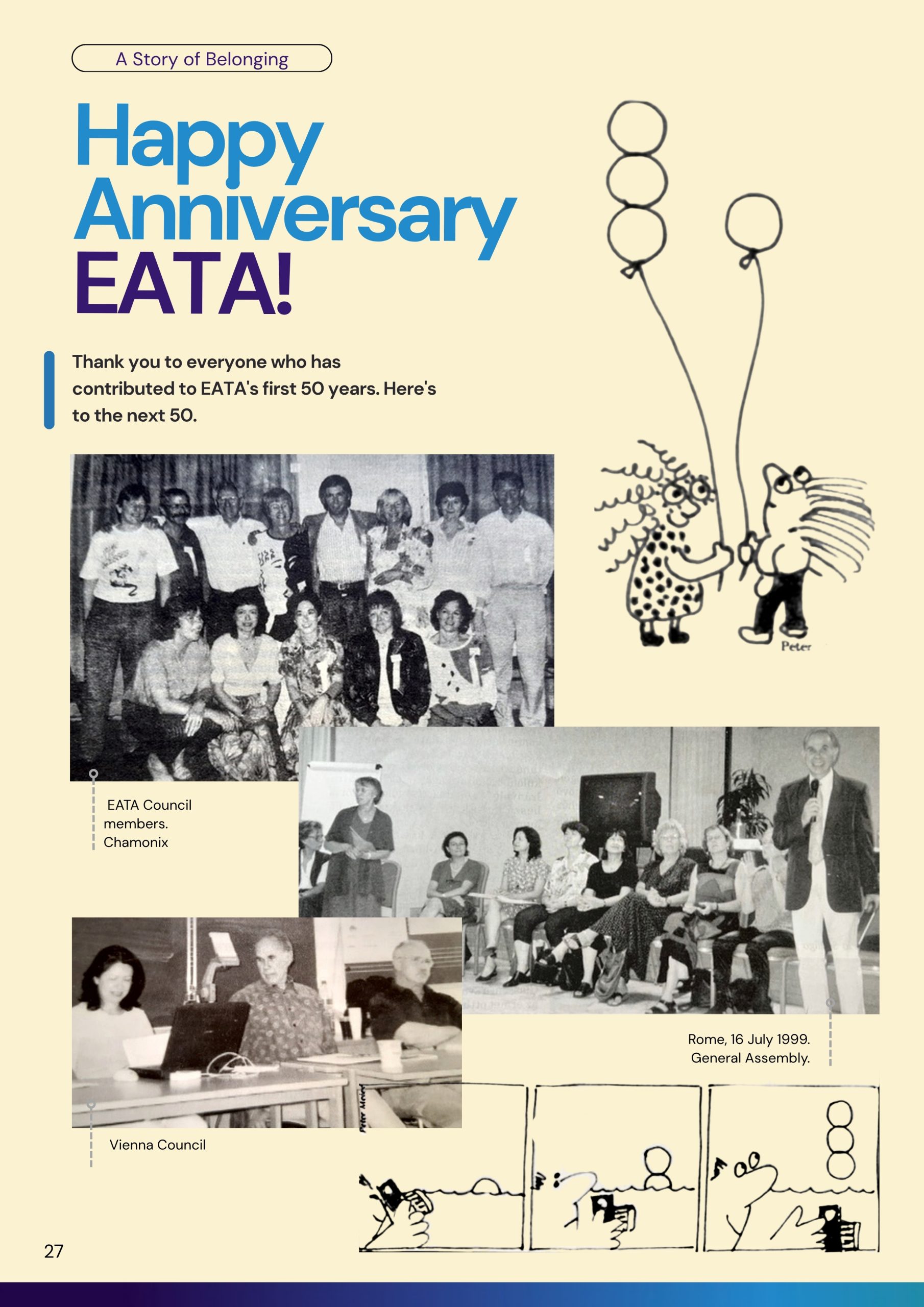
It is not easy to describe my early experience of EATA, and even pre-EATA. Looking back, it feels as if I was a little kid in the summer of 1975. In fact, I was 20 years old when the first TA conference in Europe was held in Villars-sur-Ollon at Club Med.
It was a fabulous experience, discovering so many different people “speaking” TA. It was amazing to see the many possibilities a conference could offer. Every workshop was new and exciting. Meeting European TA colleagues from other countries was equally inspiring. It felt as though a whole new world was beginning to open up.
People like Michael Reddy really made an impression on me. I loved his humility. I still remember his story about starting out as a therapist: “When I think about my first sessions, I turn pink with embarrassment.” Hearing that was incredibly liberating.
Someone had written on a board: THERAPIST // THE RAPIST and went on to explain how professionals should be extremely careful with clients’ boundaries. Carlo Moiso was there too, enthusiastically embracing people and engaging intellectually with everyone he met. His long black hair gave him something of a Rasputin-like air. Tom Frazier generously shared his kindness, both with the conference organisation and with anyone who wanted to talk about TA. And of course there was Fanita English, our polyglot European-American, an incredibly vivacious woman with a powerful presence. A number of Europeans came together with the idea of creating a European association.
My memories are somewhat hazy, but I recall volunteering to be the contact person in France, as using English came easily to me. Throughout the following year there was quite a bit of correspondence, although I did not continue for long because I was a broke and overworked student. Meanwhile, in France, following that conference, we founded our own TA association, IFAT (Institut Français d’Analyse Transactionnelle). By the time the second conference in Europe was held in Enschede, the Netherlands, I was fortunate enough to serve as a semi-official interpreter for a small group of French speakers, whispering translations to them from the back of the room. After that came the annual conferences in Austria, the United Kingdom, Denmark, Italy and elsewhere.
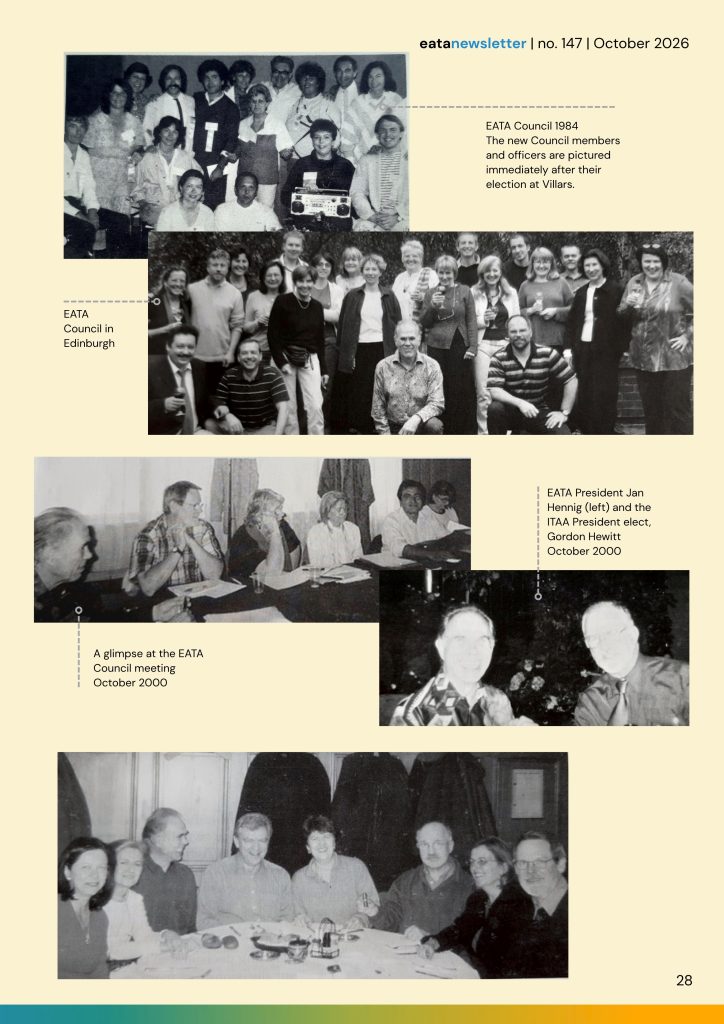
By the time we returned to Villars in 1984 for another conference at the same Club Med, the staff had identified a particularly amusing aspect of our community. I found them hilarious as they mimicked us, delighted to see one another again after one or several years apart. We would reconnect with people whose faces we recognised instantly, while discreetly trying to catch a glimpse of their name tags because we were not entirely sure we remembered their names. The staff perfectly imitated our enthusiastic greetings: opening our arms wide for a hug while simultaneously sneaking a look at the name tag!
So many wonderful people returned year after year: Jenni Hine and Margareta Robinson from Switzerland, Janne Blarke from Denmark, and Raymond Hostie, who played such an important role in the French-speaking TA community.
He founded the French-language journal Actualités en Analyse Transactionnelle and later wrote the wonderful book Analyse Transactionnelle: l’âge adulte. Sur les traces d’Eric Berne vingt ans après (Transactional Analysis: The Adult Age. In Eric Berne’s Footsteps Twenty Years Later).
Of course, I am naming only a few of the people whose faces emerge from my memories today. But even these are enough to remind me what rich and remarkable years those were.
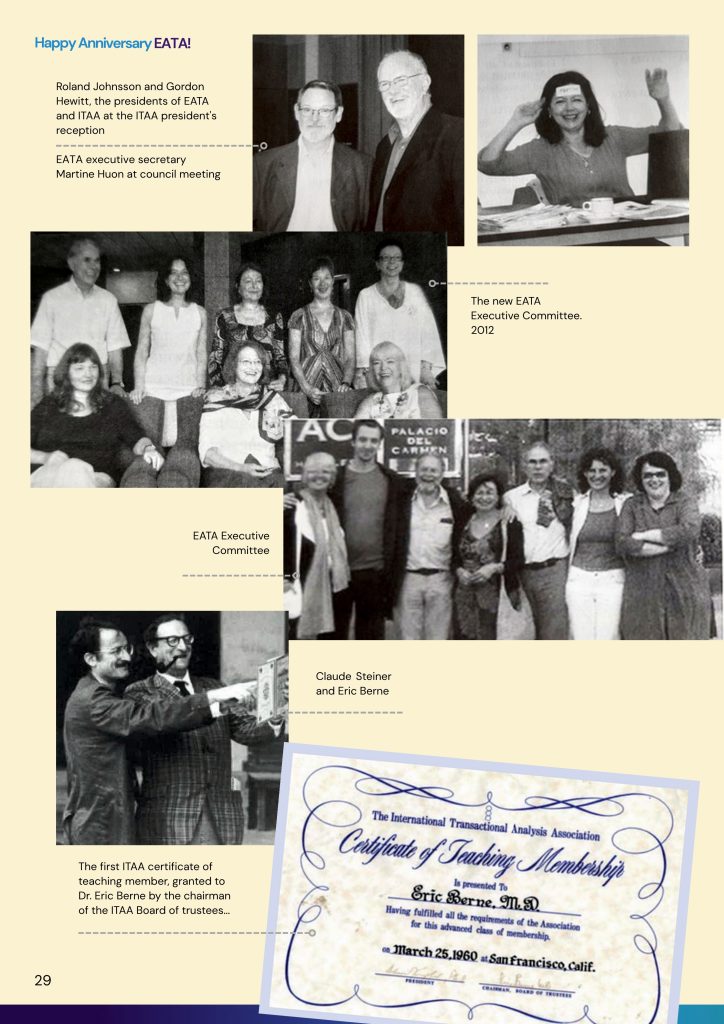
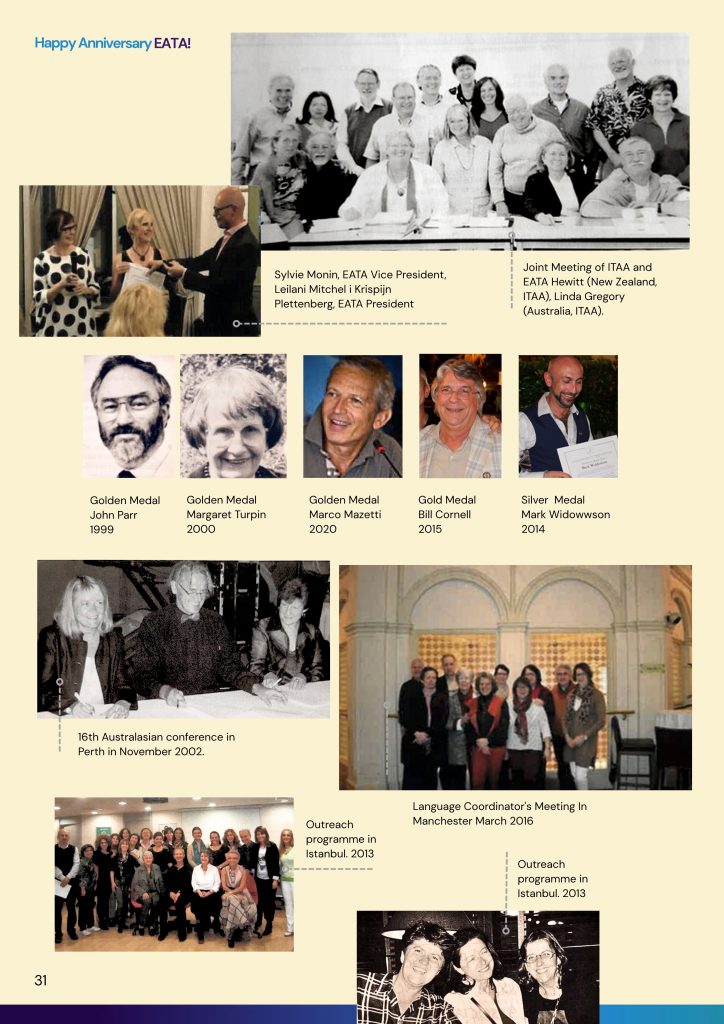
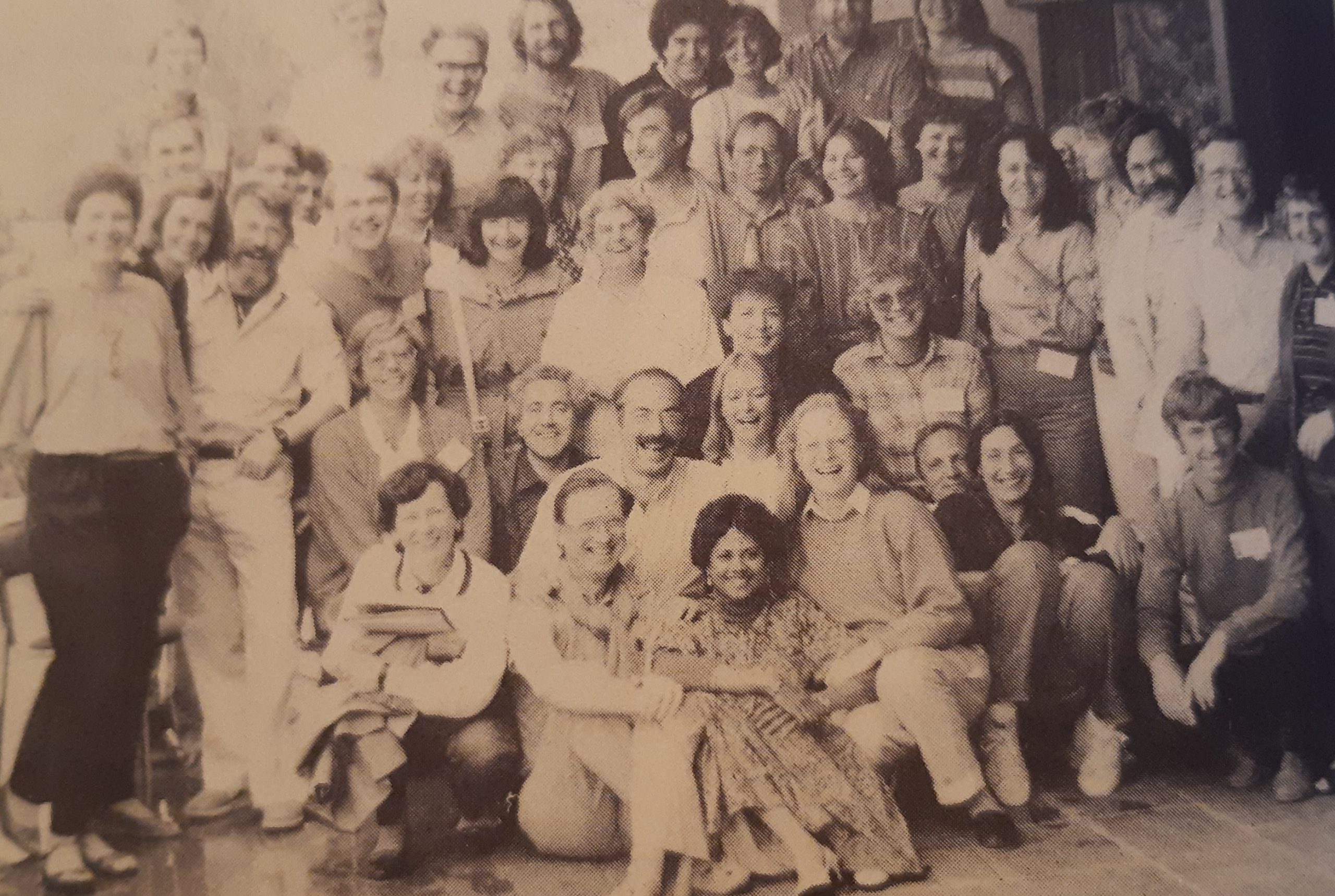
The three days immediately following the Villars Conference saw the first-ever Training Endorsement Workshop to be organised by BoC. This new workshop replaced the “PTM Contract Workshops” which had existed under the previous accreditation system. As you can see from this cheerful photograph taken at the close of the T.E.W., both staff and participants found it a challenging, enjoyable and successful event. Workshop co-ordinator Marilyn Zalcman is at the far left of the photo.Joint Meeting of ITAA and EATA boards Front row from left to right: Barbara Classen (Switzerland, EATA), Claude Steiner (USA, ITAA), Adrienne Lee (England, EATA), Charlotte Sills (England, EATA), Jim Allen (USA, ITAA), Isabelle Crespelle (France, EATA), Felipe Garcia (USA, ITAA) Second row from left to right: Jan Hennig (Germany, EATA and ITAA), Martine Huon (France, EATA), Roland Johnsson (Sweden, EATA), Vern Masse (USA, ITAA), Servaas van Beekum (Australia, ITAA), Ingrid Schweiger (Austria, EATA), Marian Weisfeld (USA, ITAA), Günter Mohr (Germany, ITAA), Gordon Hewitt (New Zealand, ITAA), Linda Gregory (Australia, ITAA)
I attended the EATA Conference in Seefeld in 1977. I took my TA 101 with Raymond Hostie and discovered Fanita English, then 61 years old, who gave a brilliant presentation on child growth. She spoke fluent English, French and German and needed no interpreter. I was fascinated, and we became close friends until her death at the age of 105. She received the EATA Gold Medal at the Prague Conference in 1991 and was so proud!
I enjoyed being Vice-President of EATA under the presidencies of Adrienne Lee, Charlotte Sills and Jan Hennig. At the same time, I was also the European representative in ITAA alongside Carlo Moiso. I served on both the COC and the BOC. I am happy to have contributed to securing a vote in both organisations to ensure that the same standards and rules for CTA and TSTA examinations were respected throughout the world.
Thanks to EATA, I had the opportunity to introduce TA in several Eastern European and Asian countries through various TA 101 courses: Hungary, Lithuania, Russia, Ukraine, Armenia, Iran and Kazakhstan.
I am deeply grateful to EATA for these wonderful experiences!
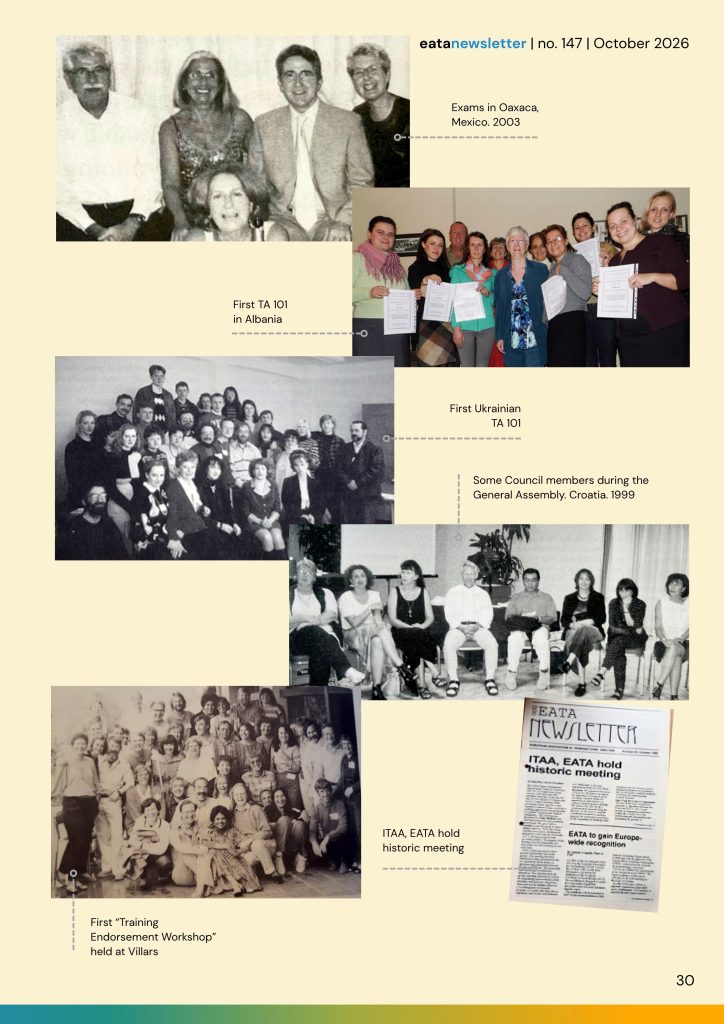
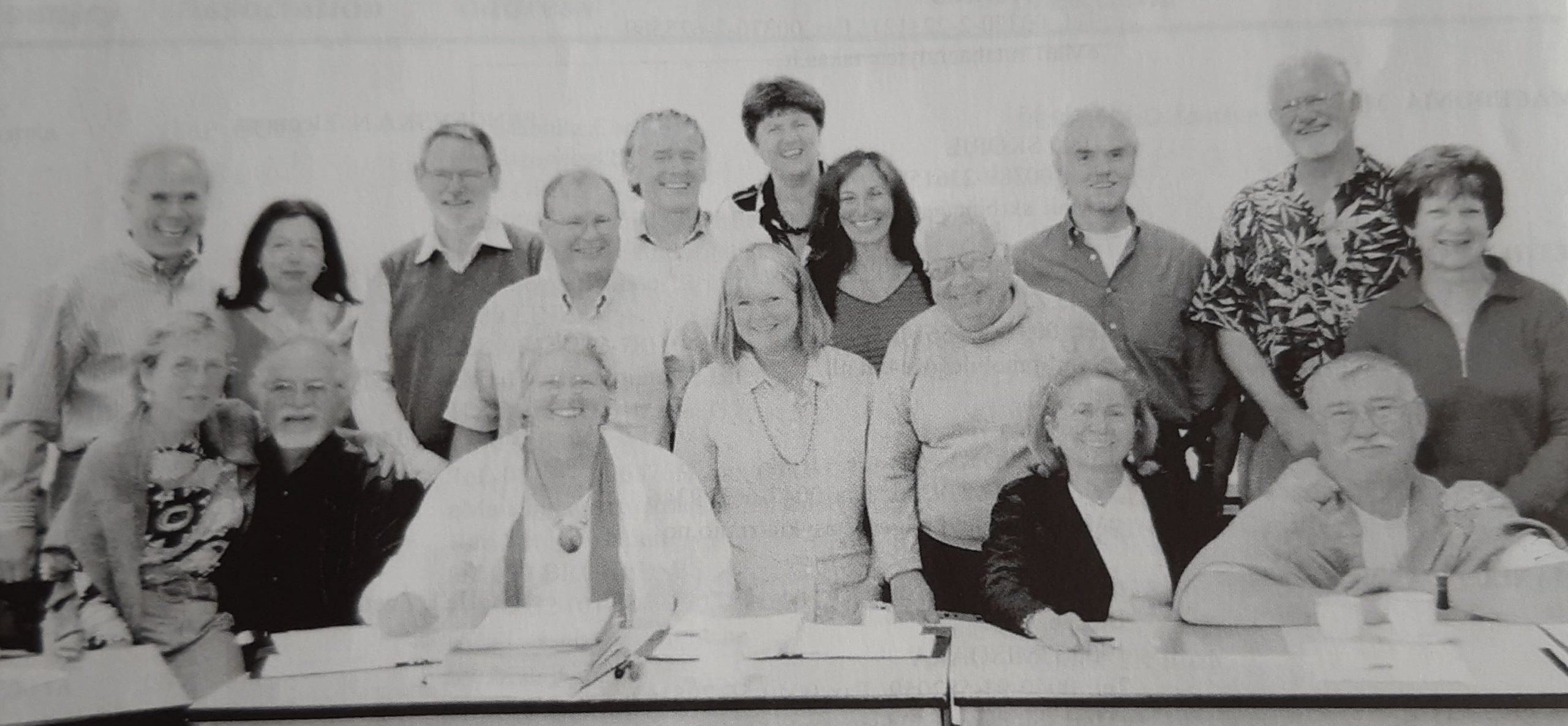
Four EATA-members passed their TSTA-Exam on Aug. 6th, 2003 in Oaxaca, Mexico (from right to left): Sari van Poelje, Netherlands (O); Jésus Cuadra, Spain (P); Nicole Pierre, France (E); Dr. Fritz Mautsch, Germany (O) with Isabelle Crespelle, exam supervisor in front. Congratulations and best wishes for your further work as TA-trainers.