“Your Adult can listen and participate properly only when your Child feels comfortable. Therefore, I would like you to pause for a moment and consider whether you would enjoy having the person sitting behind you gently massage your shoulders. Likewise, you may offer the same to the person sitting in front of you.”
I had never experienced anything like that at a scientific conference.
After some hesitation, I joined in and experienced a warmhearted sense of connection. The ice was immediately broken and, indeed, my Child felt accepted and welcomed.
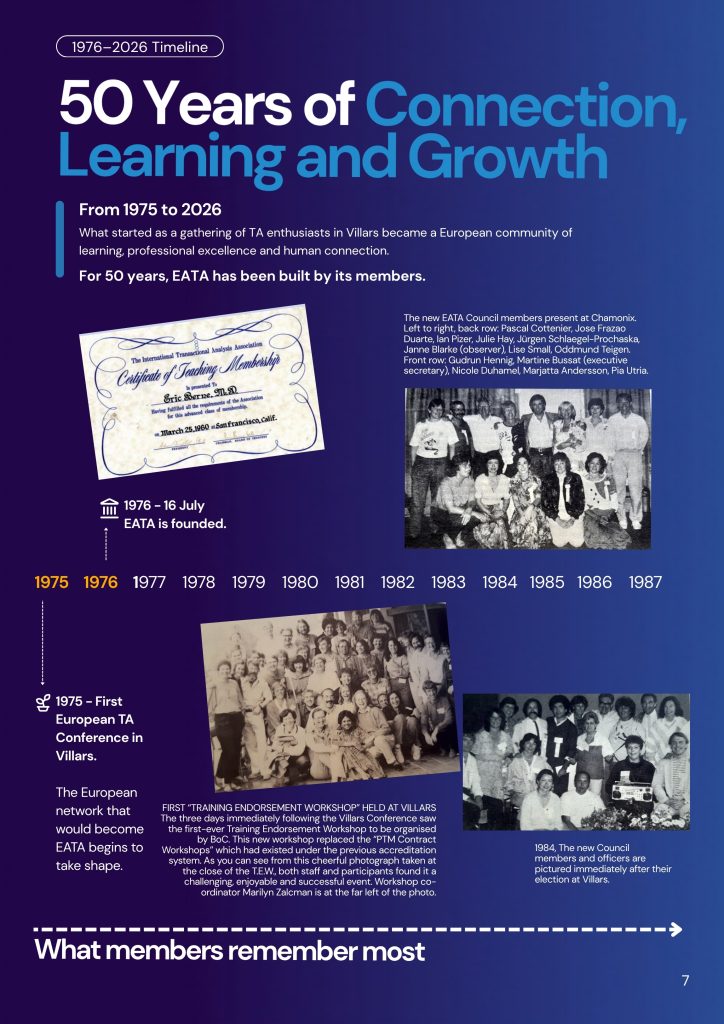
It was the summer of 1976 and I was attending an international TA conference in Villars, Switzerland, for the first time. In my memory, it was also the conference where EATA was founded. Mary Goulding was one of the initiators, and one of her students was my trainer, Arnold van Westering.
The atmosphere was hopeful, innovative, and perhaps a little overenthusiastic. With TA, we truly believed we could make a difference.
Our clients were our equals, people who had experienced many traumas during their childhood. In order to survive, they had developed their Script by making decisions that were functional at the time. But the good news was that they could now make new decisions and give their lives a different direction. It sounded like music to my ears, a joyful message: You do not have a disease. You can do something about it yourself.
I feel grateful that TA came into my life, that I completed the examinations, and that I was able to contribute to the development of TA in Europe. The structure that EATA continues to provide still guarantees the quality of professionals working with TA. I have learned so much from TA, both professionally in my field of psychotherapy and personally in my own life.
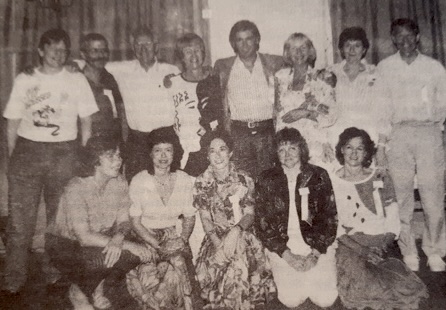
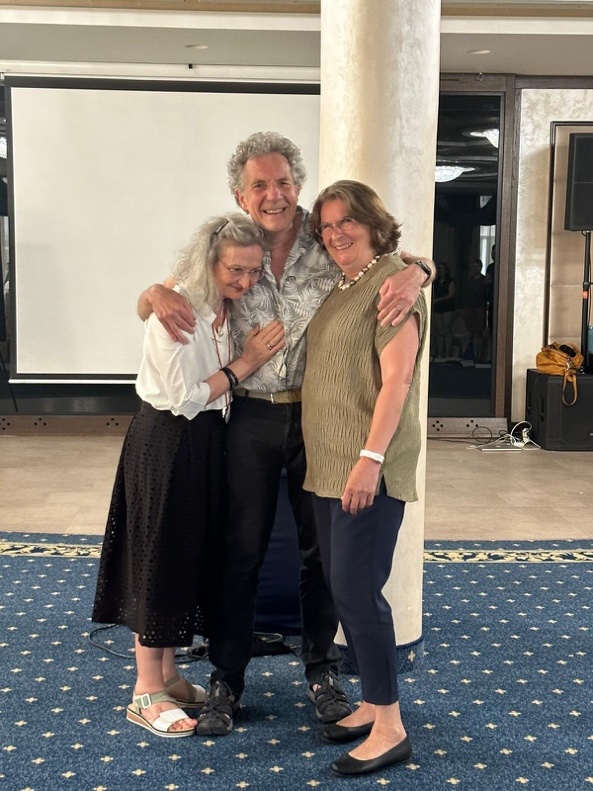
There in Villars, together with five other women, I helped to establish a peer supervision group. We became a stable group: women from six different EATA countries. What one of us did not know, the others could add.
Even after completing our TA examinations, we continued working on ourselves within that group. Three times a year we met for two days. We discussed literature, difficult cases, personal successes, setbacks, and how to deal with them.
We spoke Danish, English, Dutch and French, yet we shared the same language: TA. We respected one another, challenged one another, supported one another. But above all, we learned from one another.
The life position I’m OK, You’re OK has become a lasting attitude in my life, something I continue to strive for every day.
Thank you, Eric Berne. Thank you, EATA. Thank you, NVTA.
This article – in addition to the cited facts – expresses my personal view of EATA, personal impressions, memories and opinions. I am writing this to facilitate an understanding of EATA – what it is and what it is not – for those who have questions or are interested in the history of EATA.
My knowledge is from experience (I am a member of EATA since 1978 and have served in many roles over the years on EATA boards and committees) and from re-reading all EATA newsletters and many of the ITAA Scripts from the last 30 years.
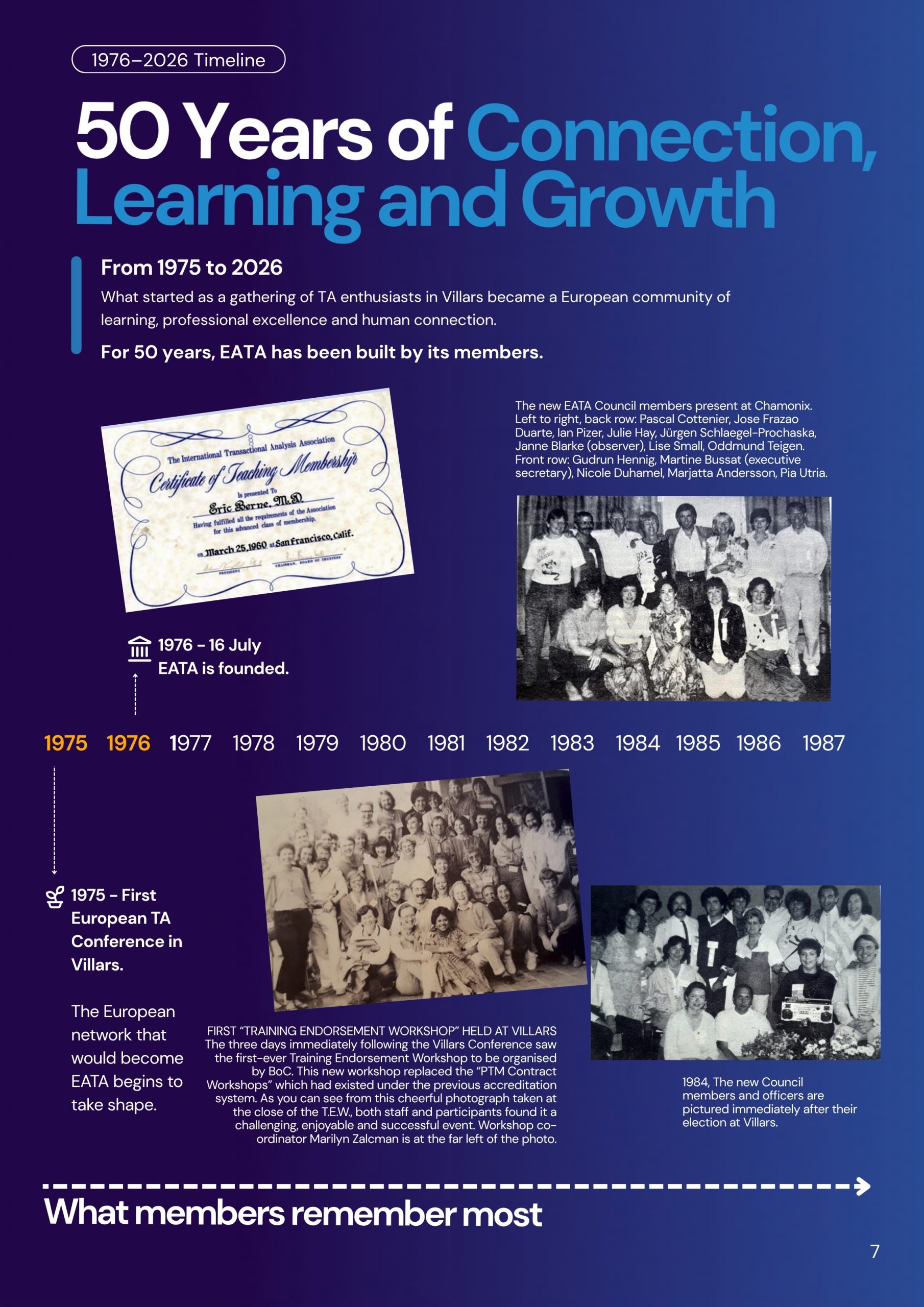
In July 1975 the first international TA conference in Europe took place in Villars in Switzerland and was a great success.
The enthusiasm was immense and all over Europe were people training in TA and beginning to form TA associations in their countries and with their languages. Most of these founding people were members of ITAA (with the headquarters still in San Francisco) and were training with trainers from ITAA, mostly Americans. At this legendary conference they met for the first time and realized, that they were already many in Europe.
Out of this enthusiasm, with the strong support of Bob and Mary Goulding (who were, together with others, the initiators of this conference) a group of European Transactional Analysts started as a “steering committee” with the clear goal to form and install a European Association for Transactional Analysis – EATA. After at least 3 meetings from autumn 1975 until July 1976 EATA was founded and domiciliated in Geneva in Switzerland. At meetings at the second TA conference in Europe, in Enschede in the Netherlands in July 1976, the first EATA council was formed and it elected at the first EATA council meeting in October 1976 its first officers: President: Michael Reddy (Great Britain), first Vice President: Carlo Moiso (Italy), second Vice President: Konstanz Robertson-Rose (Switzerland) and Treasurer: Raimond Hostie (Belgium).
8 years later, in the EATA newsletter from June 1984, Michael Reddy, the first EATA president, wrote about the origins of EATA:
“EATA began in a bar. At any rate, I like to think it did. To be precise, it was the bar of the Club Mediterranée in Villars in the summer of 1975.
At least I think it was. There were three of us drinking in there – Arnold van Westering, Konstanz Robertson-Rose and myself. I think it was me anyway. This is simply to say that what follows is a purely personal account of the origins of EATA. Experience has taught me that I don’t always remember history the same way as those I shared it with. I have always had a certain sympathy for those who write history: I now have a fresher understanding of those who are under the impression they have also been making it.
Anyway, while we three were mulling over the chances of a European TA association, doubtless there were other small groups muttering darkly about the same thing in other corners of other bars.
Because the next vivid recollection is of a much larger group of all the Europeans at the same conference who had had the same surprise to discover there were so many across Europe already well into TA.
Then, all of a sudden, we discovered: there are probably a couple of hundred of us: and seventy or so are already gathered in the Yoga Room of the Club Mediterranée to seriously discuss the founding of EATA.
Despite the Yoga Room this was not a meditative assembly – more like the Tower of Babel – and if we had needed any further excitement (which we did not), it was provided by the irruption of a South American gentleman who was passionately determined to address the meeting on his own behalf.
We concluded in any case with the resolution to form a Steering Committee which in turn evolved into the first Council of EATA, and I had the great pleasure of serving on it for four years.
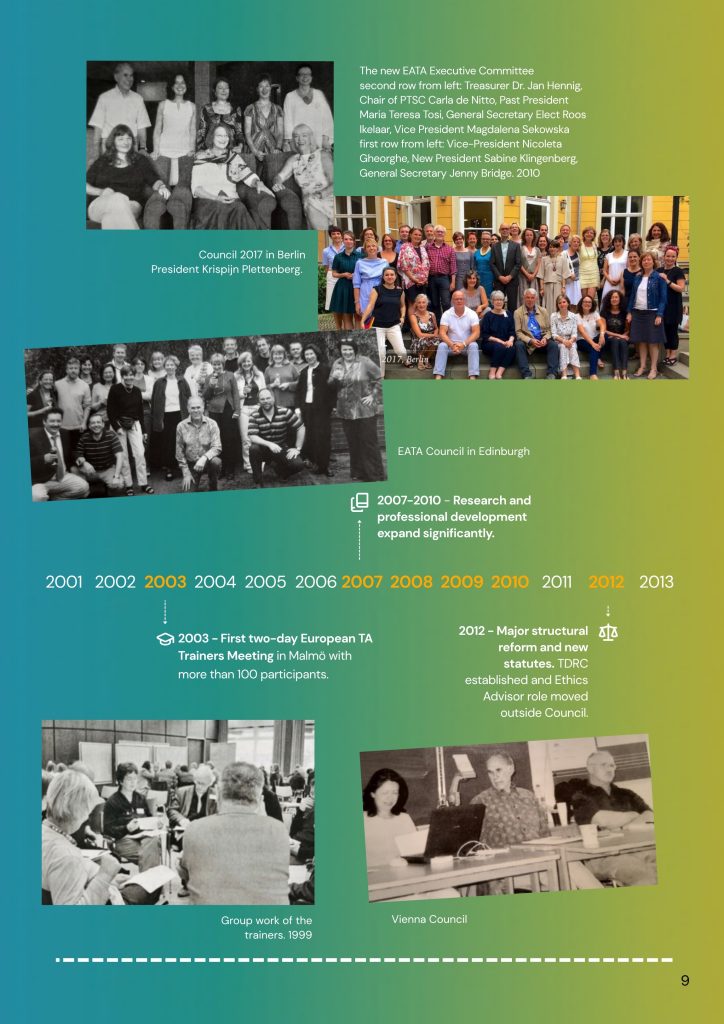
The last series of vivid mental images are of the various Council meetings during that time: in Brussels, in Paris, in London, in Yvoire, fogbound in Munich. In Elsinor, in Enschede, in Seefeld and in Rome. There are two things about those meetings: subjective impressions again, but perhaps important and perhaps shared by others. The first is that the members of those first Councils, as of subsequent ones too I have no doubt, were all very much individualists. It was alleged from time to time that there was a fair component of Rebellious Child. And why not? Both theoretically and personally it has sometimes amazed me and sometimes hurt that this could be said as a matter of accusation. But Viva the Rebellious Child, say I. And Viva likewise the positive aspects of Adapted Child and Critical Parent which are neglected in some of our theory and practice.
The second important aspect of those first meetings was the surprise that we actually achieved something. As individualists we were not naturally the best committee members, yet just as we reached a conclusion at the end of that first meeting in the Yoga Room and put it into practice, so we brought into being a viable organization which is now in its tenth year. The clue lies in two things: First, the great pleasure and enjoyment we had in each other’s company. Nothing else would have taken me, and it was true of others too, away from home so frequently for four years at some considerable personal cost in time and expense.
The second element was the extraordinary composition of those early Councils. There was one period when no single member was married to someone of his or her own culture. The Dutchman had an American partner, the English a Spanish one. The Spanish representative was married to a Hungarian, the Swedish to an Englishman, the Swiss to a Norwegian, and so on. It was a genuinely cosmopolitan group, without being pretentious about it. It was just naturally so. The weakness of such a group was that it disguised the fact that the national groups we represented were not in such close harmony themselves. For me, the strength of EATA lies primarily in the regional and national groupings. In my view, EATA was always destined to be more of a federal organization. But because the early Council members had crossed national boundaries themselves, we perhaps did not see that was not equally true for the different people we represented. Perhaps we wasted energy at the beginning in attempting to create centralised organs.
This is wisdom by hindsight. Perhaps it had to be so. What I carry with me and will treasure to the end of my days is the closeness I had with those people, the experiences we shared together, and the recollection of such intense moments. Which all started in the bar at Villars. Or was it the bar? I’m sure it was. Wasn’t it?”
As the leading principles of EATA I only cite the current preamble of our statutes, which gives the spirit and goals of EATA:
“EATA’s guiding principle is to develop, sustain and protect Transactional Analysis philosophy, theory and practice. Fundamental to this is respect for autonomy and the dignity of all humanity.
EATA will, therefore, actively promote individuality, diversity and community at affiliate association and individual membership levels. The association is underpinned by a commitment to TA principles, especially those of confidence and trust in self and others, a contractual method and the human capacity to solve problems and grow. The association is governed by democratic principles and accountability as defined by contracts between the affiliated associations and EATA.”
Two other leading principles, which are not less important, are and always were:
The quality of TA shall be protected through clear and strong qualification processes, and these shall be controlled internationally. Out of this principle, training and examination was always one core activity within EATA.
All TA qualifications shall be mutually recognised worldwide.
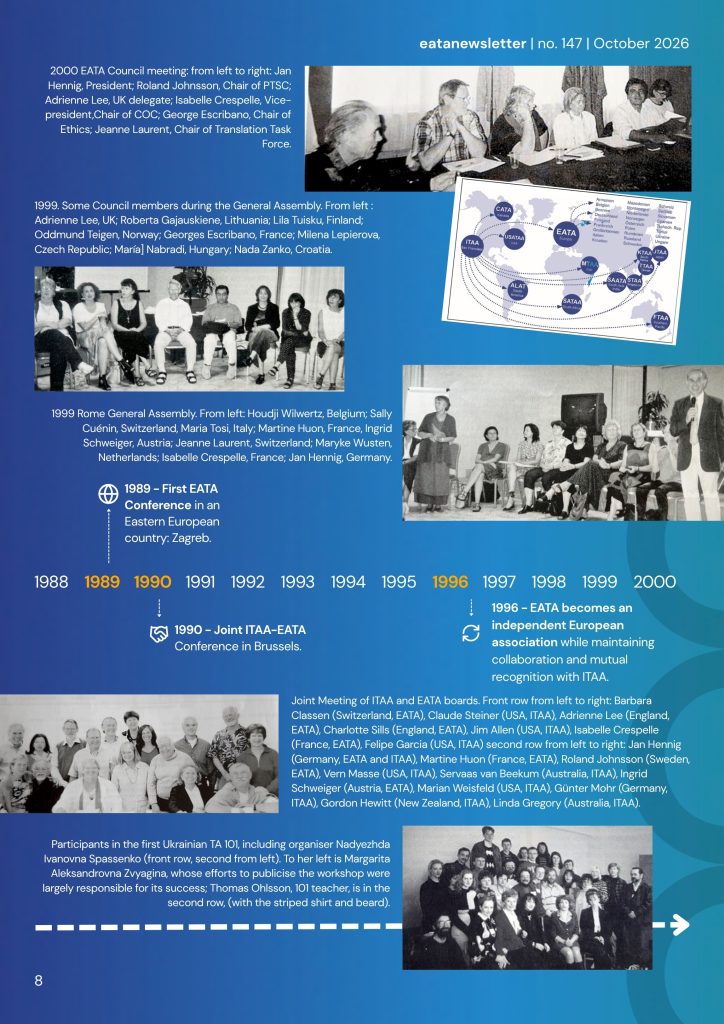
The international cooperation, respect and recognition shall not end at the borders of Europe, but shall be realised worldwide. This included the commitment to co-create, together with ITAA (the International Transactional Analysis Association), the standards for training and examinations worldwide.
EATA developed as an organisation of (national) organisations with only a handful individual members and this was always important: EATA acts in the interest of its member organisations, and this is secured through democratic structures and procedures.
Of course, this was not always easy and the history of EATA shows a lot of conflicts of all kinds, but in the end EATA seems to be still a story of success.
Note: all further details of the history of EATA can be looked up in the EATA newsletter – all issues since No. 1 in October 1977 until No. 110 in June 2014 and also the minutes of meetings and discussions are stored in the EATA archives at the EATA office in Konstanz in Germany.
This special edition is one of several ways in which EATA’s 50th anniversary is being marked throughout 2026.
Throughout the year, each edition of the EATA Newsletter has focused on the anniversary, exploring different aspects of EATA’s history, development, and community. This special issue brings together personal memories, historical reflections, photographs, and contributions from across the EATA network. As a result, there will be no regular autumn edition of the newsletter this year.
The anniversary year has also seen the introduction of EATA’s renewed visual identity, including a new logo and corporate style, reflecting both the organisation’s heritage and its ongoing evolution.
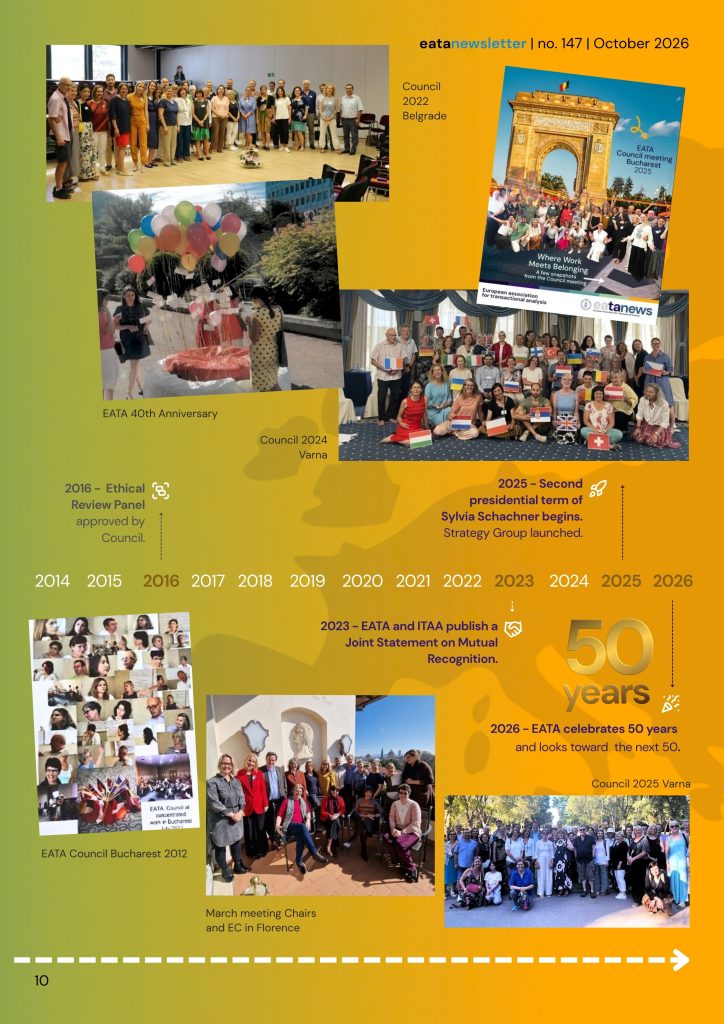
On 15 July, members and friends of EATA gathered online for a special event marking the official anniversary of EATA’s foundation. The celebration offered an opportunity to reflect on five decades of growth, cooperation, professional development, and community.
Another anniversary initiative is a series of video interviews with former EATA Presidents. Through their recollections and reflections, these conversations offer valuable insights into different periods of EATA’s history. While many former Presidents were able to contribute, some are sadly no longer with us, making these recorded memories especially meaningful.
The stories collected in this publication are complemented by these interviews and by many informal acts of remembering, reconnecting, and celebrating taking place throughout the year within affiliated associations and the wider EATA community.
The year will conclude with the EATA Research Conference in Rome in December. Although the conference is not formally part of the 50th Anniversary programme, it provides a fitting opportunity for members to gather during this milestone year. Alongside its focus on research, learning, and professional exchange, EATA’s anniversary will no doubt be celebrated there as well.
As we mark fifty years of EATA, we celebrate not only the achievements of the past, but also the people, relationships, and shared vision that continue to shape our association and community today.
Fifty years ago, EATA was founded as a place where people from different countries, cultures and professional backgrounds could come together through a shared interest in Transactional Analysis.
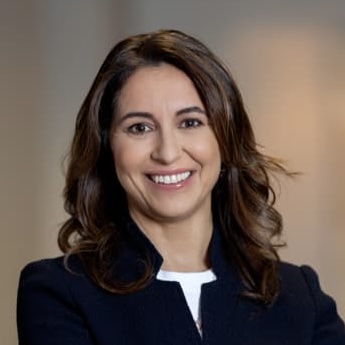
By Sylvia Schachner
EATA President
Today, as we celebrate EATA’s 50th anniversary, I find myself reflecting not only on where we have come from, but also on what continues to connect us across generations.
When I became President, I had a vision. I wanted EATA to become more accessible, more visible and more connected. I wanted members to feel closer to EATA, but also closer to one another.
One thing I had realised during my years of involvement was that there can be a considerable difference between how EATA is perceived from the outside and how it is experienced from within. From the outside, people sometimes see structure, procedures and distance. From the inside, I have experienced something different: a welcoming, friendly and deeply connected community.
One of the most rewarding developments has been seeing new opportunities for connection emerge. Over recent years, webinars, online meetings and digital communication have made it possible for people to participate, contribute and connect in ways that were not available before. These developments have helped make EATA more accessible and have brought members, committees and Council closer together.
My presidency coincided with extraordinary circumstances. I was elected during an online Council in the middle of the COVID pandemic. Suddenly we had to find entirely new ways to continue our work, maintain quality and stay connected. Soon afterwards, Europe faced another challenge with the outbreak of war. These events tested not only our organisational structures but also our values.
Together we explored new ways of supporting one another, including online examinations, support networks and initiatives that continue to provide assistance to colleagues today. Looking back, I am proud of the speed, commitment and solidarity with which members across Europe responded.
Yet when I think about fifty years of EATA, it is not the challenges alone that come to mind.
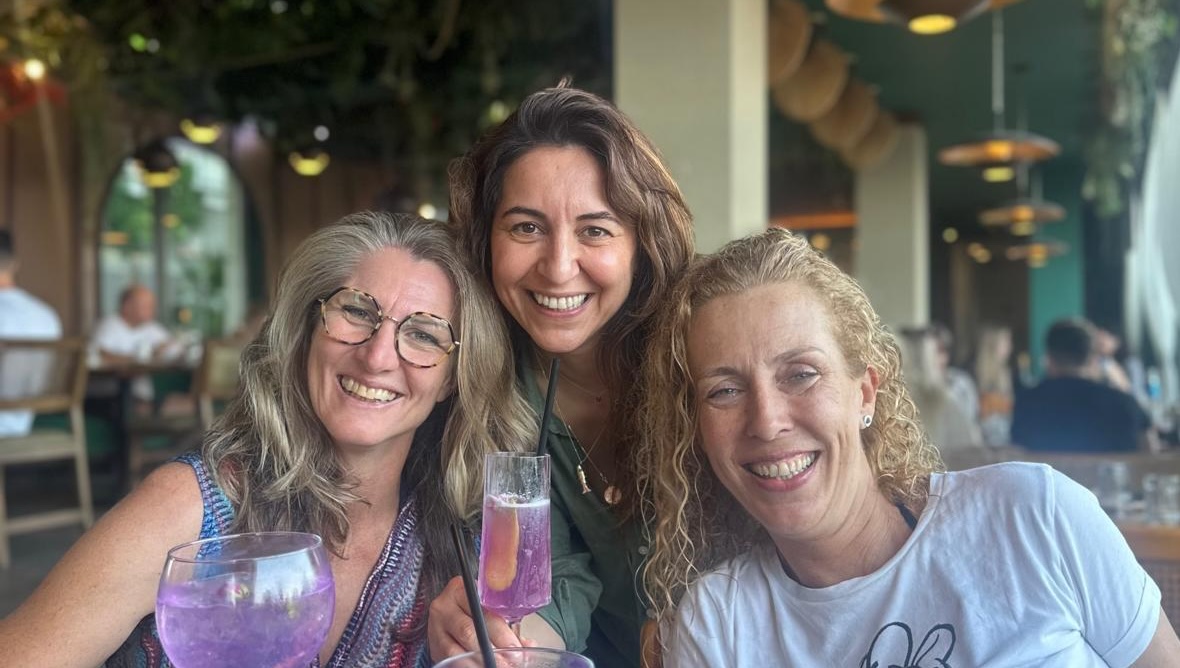
What stands out most strongly is the atmosphere that exists whenever people meet. There is something special about the connections formed through EATA.
No matter how much time has passed, there is often an immediate sense of familiarity, friendship and shared purpose. We can discuss serious professional questions, share personal experiences and laugh together. For me, this spirit of connection is one of EATA’s greatest strengths.
It is also what I am most grateful for. Over many years and in many different roles, EATA has become an important part of my life. Through EATA I have widened my frame of reference far beyond what I imagined when I first started my TA training. I have built friendships and professional networks across Europe and met people from different countries, cultures, ages and professions. We are diverse in many ways, yet connected through shared values and a common commitment to learning and development.
As we celebrate fifty years of EATA, I would like to express my gratitude to all those who have contributed to this community: members, volunteers, trainers, examiners, delegates, committee members and leaders across generations.
The story of EATA has always been a story of people. And thanks to all of you, that story continues.
As EATA celebrates its 50th anniversary, we wanted this special edition to be shaped by the voices of the community itself.
By Eva van de Randen
EATA Newsletter Editor
The articles, memories, reflections, and photographs collected in these pages are contributions generously shared by members and friends of EATA. Together, they offer a rich and personal glimpse into our collective history.
At the same time, this publication is not intended to be a comprehensive history of EATA. Rather, it is a mosaic of individual experiences, memories, and perspectives. We are very aware that many people who have contributed significantly to EATA over the past fifty years are not mentioned here. This is not a reflection of their importance, but simply of the contributions we received.
EATA has been built by countless individuals whose commitment, passion, and generosity have shaped our community over the years.
Readers may also notice gaps in the timeline. As with any collection based on voluntary contributions, some periods are more richly represented than others.
We hope these stories will nevertheless help to illuminate the spirit, growth, and evolution of EATA across the decades.
Many of the photographs included in this edition come from personal archives. While we have done our best to identify people, places, and dates, complete information was not always available. For that reason, not every photograph has a full caption.
What follows is therefore not a history book, but something perhaps equally valuable: a collection of memories.
Together, these memories tell the story not only of an association, but of a community of people connected through Transactional Analysis across generations, cultures, and countries.